When sourcing waterproofing materials for concrete crack repair, importers and wholesalers often face a critical question: should they choose polyurea grout or polyurethane grout? While both are popular injection grout options for sealing leaks, their performance differences are significant — and understanding them is essential for making the right purchasing decision. Choosing the wrong material can lead to callbacks, warranty claims, and damaged reputations with your downstream contractors.
As a specialized manufacturer and exporter of polyurea injection grout, BOSLAI frequently helps distributors understand the polyurea vs polyurethane distinction. The global market for concrete crack repair materials is growing rapidly, and distributors who can guide their customers to the right injection grout solution gain a clear competitive edge. Here are the five key differences that matter most for your business.
1. Curing Mechanism: Non-Foaming vs Foaming
The most fundamental difference lies in how each waterproofing grout reacts with water. Polyurethane grout reacts with water to produce expanding foam, which can fill voids quickly but creates a porous, open-cell structure. Polyurea injection grout, by contrast, cures into a dense, non-foaming solid without expanding. This means no voids, no air pockets, and a more reliable long-term seal for concrete crack repair.
2. Elasticity and Crack Movement
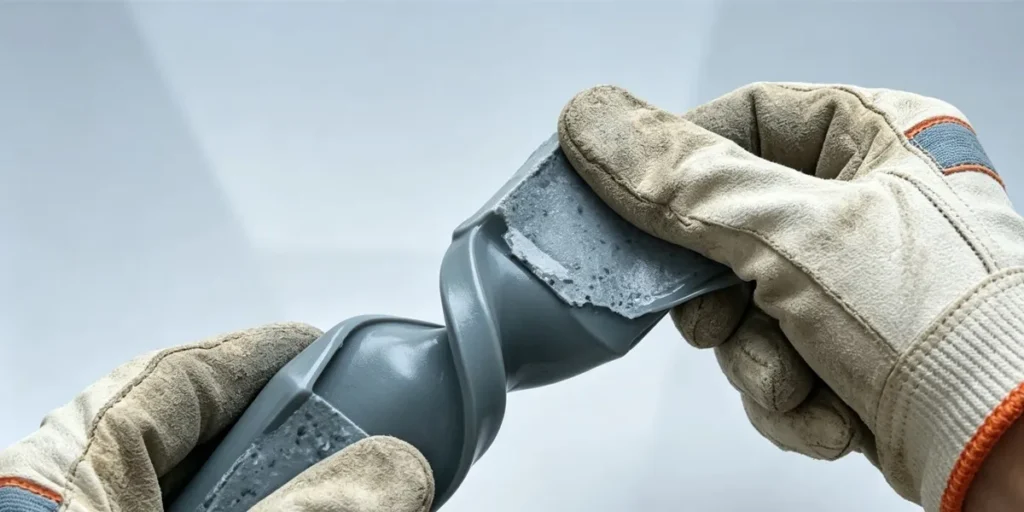
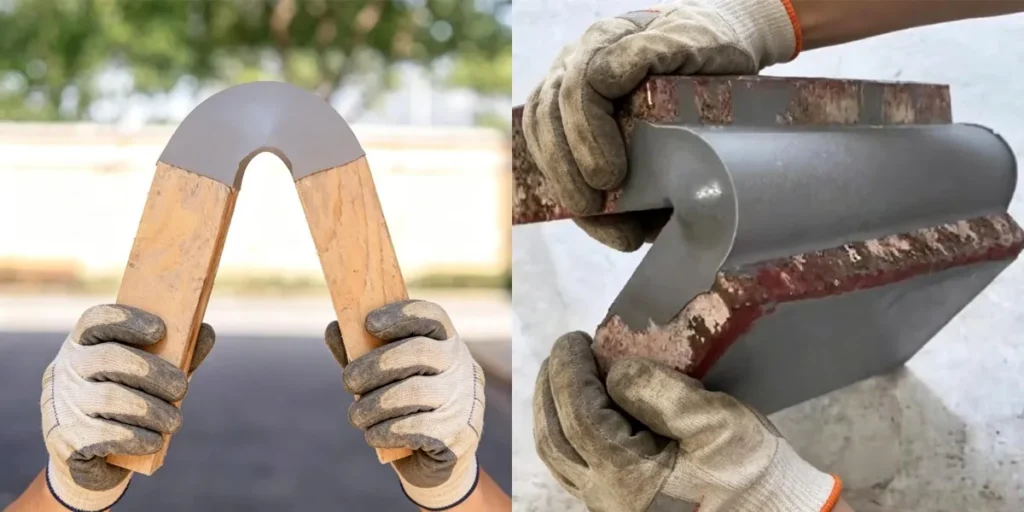
Concrete structures move. Temperature shifts, traffic loads, and settlement cause cracks to expand and contract over time. Polyurethane grout, once cured, has limited elastic recovery — it can crack again when joints move. Polyurea injection grout offers superior elongation (over 400% based on our TDS data) and elastic memory, meaning it stretches and rebounds with structural movement without re-cracking. For injection grout applications in expansion joints and deformation joints, this flexibility is critical.
3. Water Resistance and Underwater Curing
Both materials are used for waterproofing, but their water behavior differs significantly. Polyurethane grout can degrade under prolonged water immersion due to hydrolysis. Polyurea injection grout can fully cure underwater and maintains exceptional water resistance over time — it does not emulsify, swell, or break down in permanent wet conditions. For concrete crack repair in tunnels, basements, and water-retaining structures, this underwater curing capability is a decisive advantage.
4. Durability and Chemical Resistance
Polyurethane grout typically has moderate chemical resistance and may degrade when exposed to acids, alkalis, or high temperatures over time. This makes it less suitable for industrial environments, wastewater facilities, or structures exposed to chemical runoff. Polyurea injection grout offers superior resistance to acid, alkali, and high-temperature environments, making it suitable for demanding civil engineering conditions. As a waterproofing grout, polyurea maintains its structural integrity far longer, reducing the need for repeat repairs and lowering the total cost of ownership for your customers.
5. Shrinkage and Long-Term Performance
One of the biggest failures of polyurethane grout is shrinkage. Over time, the foamed material contracts, creating gaps that allow water to re-enter. Polyurea injection grout is non-shrinkage — it maintains its volume and sealing performance indefinitely. This is why polyurea vs polyurethane comparisons increasingly favor polyurea for long-term waterproofing solutions.
Why BOSLAI Is Your Trusted Polyurea Grout Source
In the polyurea vs polyurethane debate, polyurea injection grout consistently delivers superior long-term value for concrete crack repair. As a manufacturer and exporter of high-performance injection grout products, BOSLAI produces Polyurea Grout to consistent quality standards for global distribution. Our Polyurea Grout product features 98% solid content, 400% elongation at break, tensile strength of 1.3 MPa, and underwater curing capability — all verified by technical testing.
We supply importers and wholesalers who need reliable waterproofing grout for concrete crack repair projects. With OEM customization, 9kg export-ready packaging, and a 12-month shelf life, we are equipped to support your distribution business.
Explore our Polyurea Injection Grout product page for full TDS documentation and free samples.
BOSLAI — Manufacturer & Exporter of High-Performance Polyurea Grout
Request Sample
We’ll get back to you within 24 hours. Emails occasionally end up in the spam folder, so we kindly ask you to provide your WhatsApp so we can reach you urgently if needed.