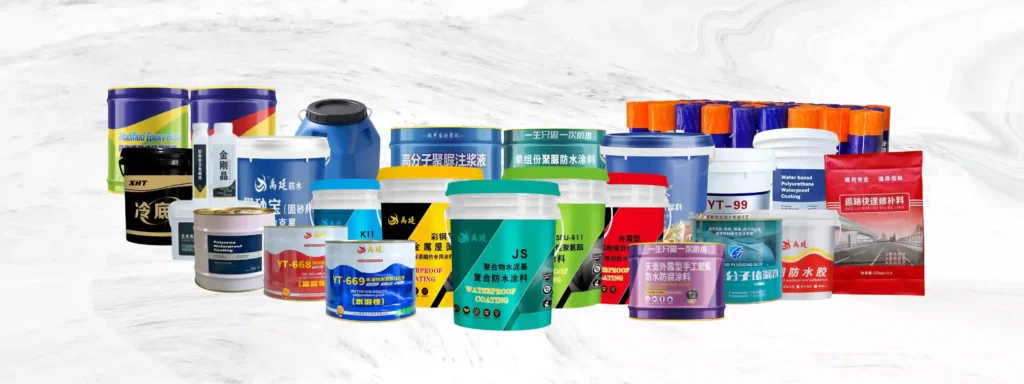
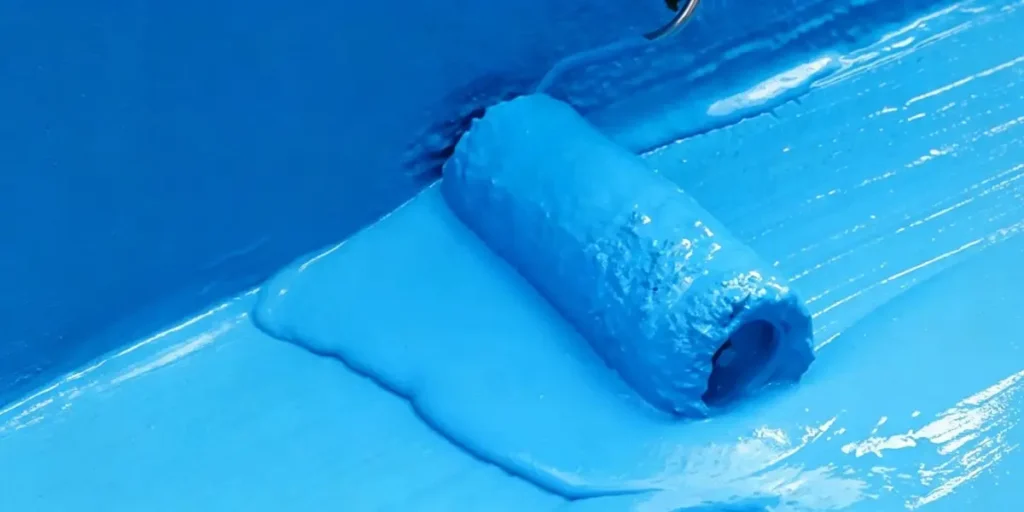
When selecting a waterproofing system for roofs, basements, or wet areas, polyurethane waterproof coating is often the top choice for its elasticity and durability. But not all PU coatings perform the same — and the growing shift toward water-based formulations changes how you evaluate, apply, and source the product. This guide covers the essentials for anyone specifying or importing PU waterproof coatings. This post is written by the polyurethane waterproof coating manufacturer and exporter BOSLAI WATERPROOFING.
Water-Based vs. Solvent-Based: What’s the Difference?
Solvent-based polyurethane waterproof coating uses organic solvents as the carrier. It cures fast, performs well at low temperatures, and delivers high initial strength — but comes with strong odor, high VOCs, and requires ventilation. Better for industrial or outdoor use where speed matters most.
Water-based polyurethane waterproof coating replaces solvents with water. It’s non-toxic, virtually odorless, and safe for enclosed indoor spaces like bathrooms and kitchens. Key practical advantages:
- Can be applied on slightly damp substrates — no need to wait for bone-dry concrete
- Single component — stir and apply, no mixing or measuring
- Soap and water cleanup — no chemical thinners
- Slower film formation means humidity and temperature affect curing time more
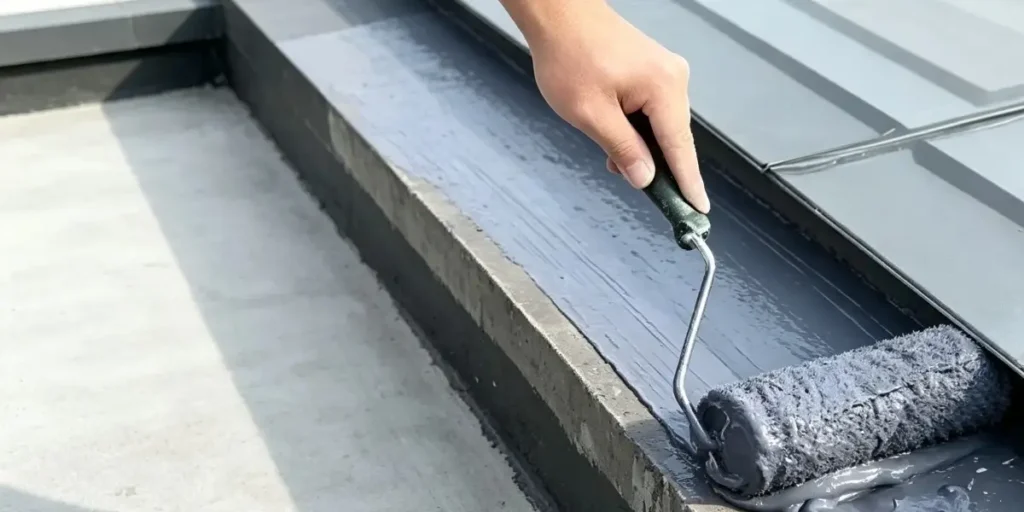
For most residential and commercial projects — flat roofs, balconies, bathrooms, basements — water-based PU coating is the more practical choice. Modern formulations now offer UV resistance that rivals solvent-based products, often eliminating the need for a protective top coat.
What to Look for in a Quality Water-Based PU Coating
Whether you’re a contractor specifying materials or an importer sourcing for distribution, these are the numbers that separate a reliable product from a problematic one:
Tensile strength. Industry minimum: ≥1.2 MPa. Well-formulated products test at 1.5–1.7 MPa. Higher strength means the cured membrane resists tearing under structural stress.
Elongation at break. This is polyurethane’s key advantage over acrylic and cementitious coatings. Look for ≥300% minimum; values above 350% indicate genuine crack-bridging elasticity.
Surface finish quality. An often-overlooked quality indicator. A proper water-based PU coating should cure to a smooth, continuous film without bubbles, pinholes, or surface roughness. If the cured surface is pitted or has visible air bubbles, it signals poor emulsification or cheap fillers — and those tiny defects become water penetration points over time.
Low-temperature flexibility. A quality product should pass testing at -35°C without cracking. Critical for any market with seasonal temperature swings.
Water impermeability. Standard benchmark: 0.3 MPa water pressure for 120 minutes with zero leakage.
Bonding strength to concrete. Minimum 1.0 MPa. Below this, peeling risk increases significantly.
For reference, a well-formulated single-component water-based PU coating — like BOSLAI’s product manufactured at their 10,000-ton facility in Hangzhou and exported to 40+ countries — tests at 1.69 MPa tensile, 352% elongation, 1.2 MPa bonding, and -35°C flexibility. The cured surface is consistently smooth and bubble-free thanks to controlled emulsification during production. See the full TDS here.
Where Water-Based Polyurethane Waterproof Coating Works Best
| Application | Key Benefit | Notes |
| Flat roofs & terraces | UV-resistant, seamless, no joints | Can be exposed, no top coat required |
| Basements & foundations | High elasticity for settlement cracking | 3 coats for hydrostatic pressure zones |
| Bathrooms & kitchens | Non-toxic, odorless | Standard 2-coat application |
| Balconies & exterior walls | Weather-resistant, multi-substrate bond | Use mesh at joints and corners |
| Swimming pools & tanks | Impermeable at 0.3 MPa | Tile or concrete overlay required |
| Tunnels & bridges | High bonding + crack-bridging | Minimum 1 mm total thickness |
Common Application Errors for Polyurethane Waterproof Coating (and How to Prevent Them)
Most polyurethane waterproof coating failures trace back to application, not product quality.
Bubbles and blistering. The most frequent issue. Causes: over-mixing (trapped air), applying on a sun-heated substrate (rapid surface drying seals moisture beneath), or poor formulation viscosity. Prevention: apply in the morning or late afternoon when the substrate is cooler; stir slowly; and most importantly — choose a product with consistent emulsification. A smooth, bubble-free cured finish is your best quality signal.
Peeling or poor adhesion. Almost always substrate prep. Dust, oil, or residual curing compounds on concrete prevent bonding. Clean thoroughly, fill cracks, and use a compatible primer on non-standard surfaces.
Slow curing. Water-based coatings cure by evaporation — high humidity extends drying time. In damp environments, allow 8–24 hours between coats instead of the typical 3–5 hours. Never apply when rain is forecast within 24 hours.
Insufficient thickness. Minimum dry film: 0.8 mm, achieved with 2 coats applied perpendicular. Coverage: ~13–15 m² per 18 kg pail per coat. For basements, apply 3 coats.
Sourcing Checklist for Importers
If you’re importing PU waterproof coating for distribution or project supply:
- TDS before order. A real polyurethane waterproof coating manufacturer provides test data upfront. If the supplier won’t share a TDS before commitment, walk away.
- Sample testing. Apply a free sample on your actual substrate, in your climate. Check the cured surface — smooth or pitted? Any bubbles? Adhesion quality? A sample reveals more than any specification sheet.
- OEM capability. A supplier offering OEM polyurethane waterproof coating — custom colors, private-label packaging, formulation tweaks — is typically an actual factory, not a trader. This matters for quality consistency and your margin.
- Export compliance in-house. MSDS, dangerous goods classification, COA, and customs documentation should all be handled directly — not outsourced to a third party.
- Batch consistency. A facility with standardized QC protocols across thousands of tons annually delivers predictable results across orders. This matters when your contractor clients depend on repeatable performance.
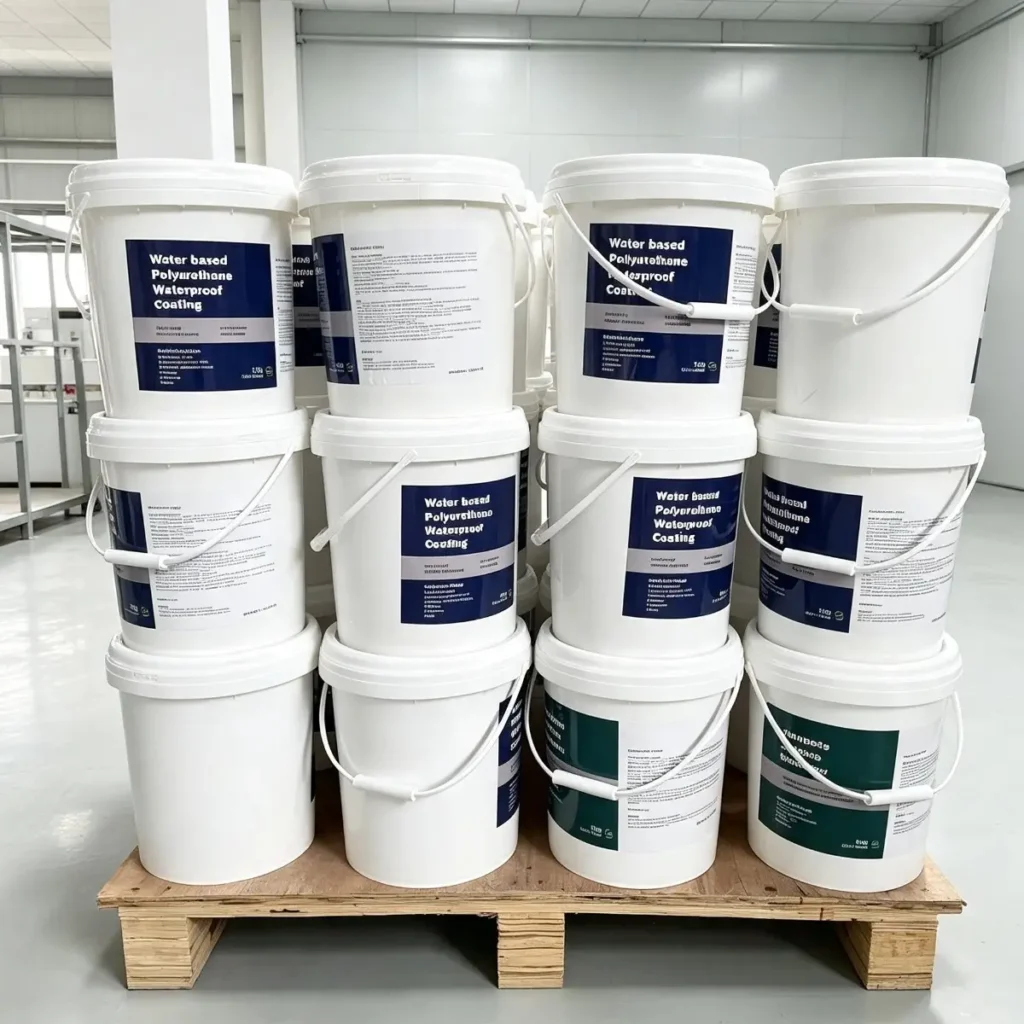
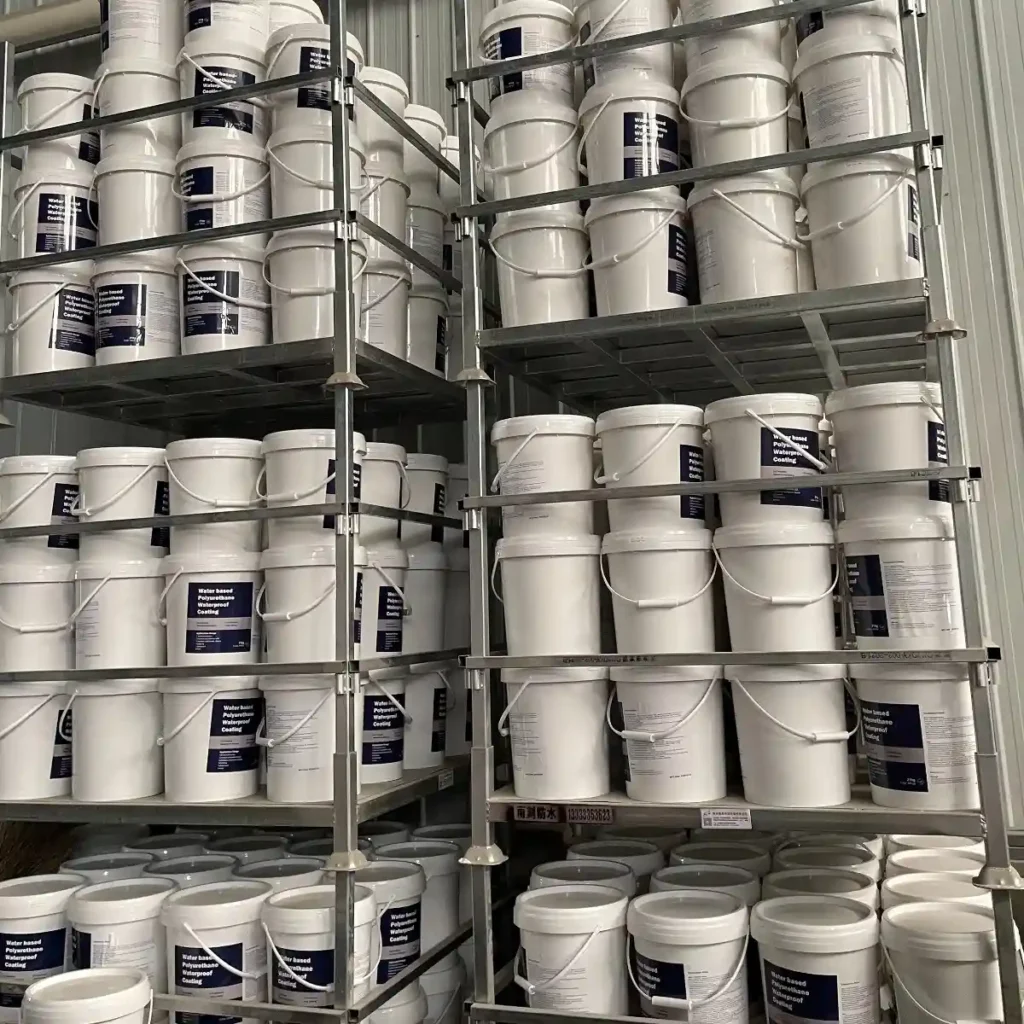
Polyurethane waterproof coating manufacturer Boslai operates a 10,000-ton production facility in Hangzhou, China, supplying distributors across Southeast Asia, the Middle East, Africa, and South America. As a specialized polyurethane waterproof coating exporter Boslai, they provide TDS upfront, ship samples globally, and handle OEM polyurethane waterproof coating with full in-house export documentation.
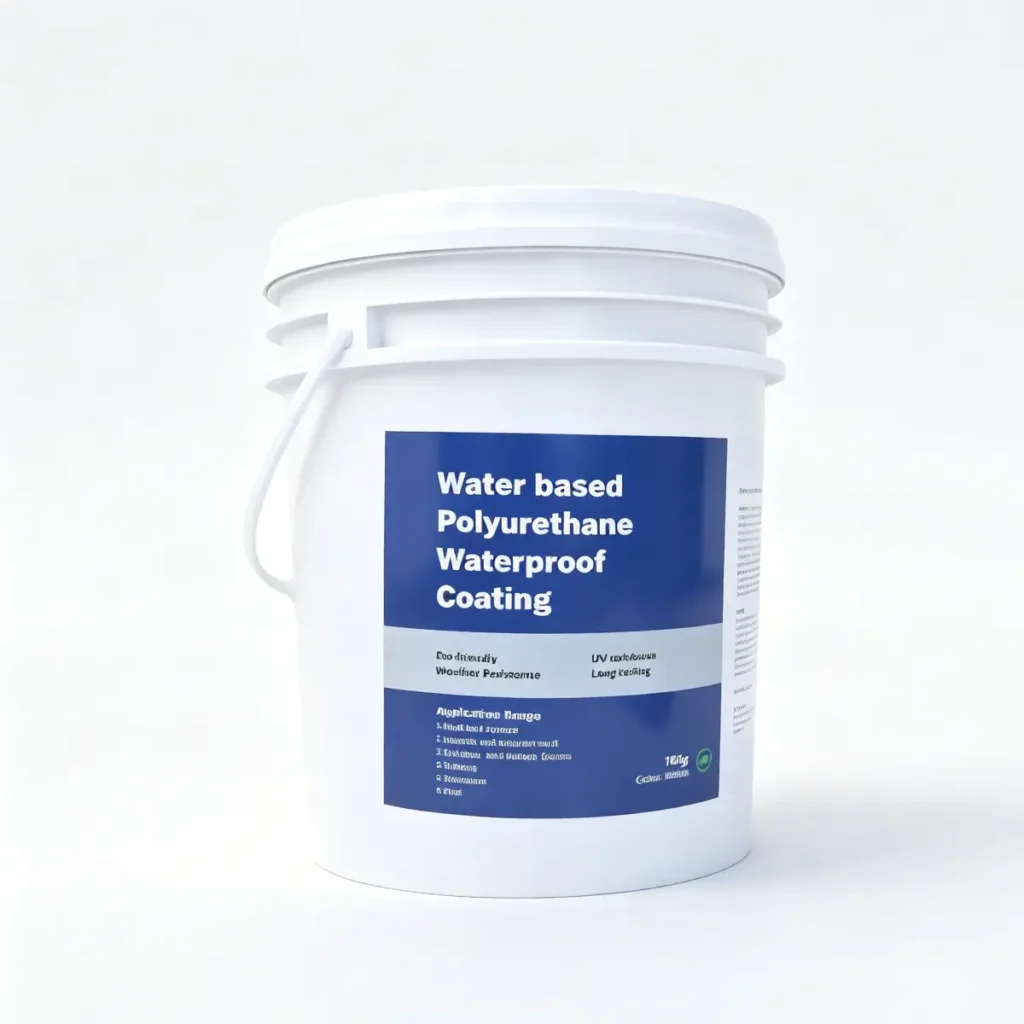
For specifications or a free sample: BOSLAI water-based polyurethane waterproof coating product page | info@boslaiwaterproof.com.
We’ll get back to you within 24 hours. Emails occasionally end up in the spam folder, so we kindly ask you to provide your WhatsApp so we can reach you urgently if needed.