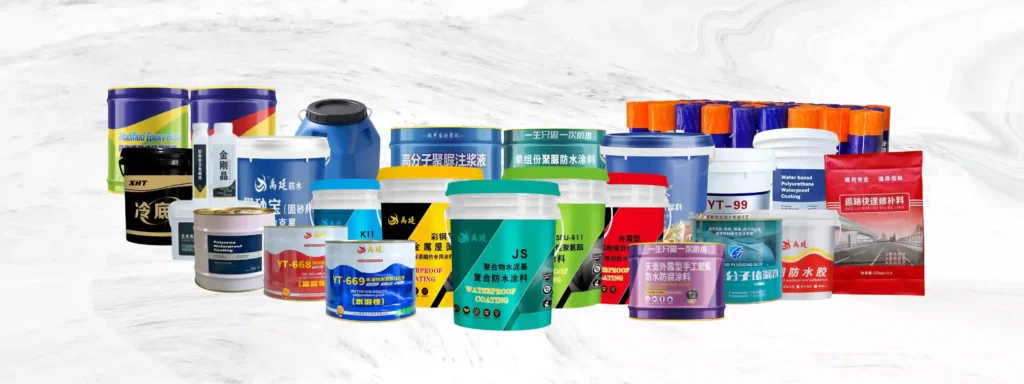
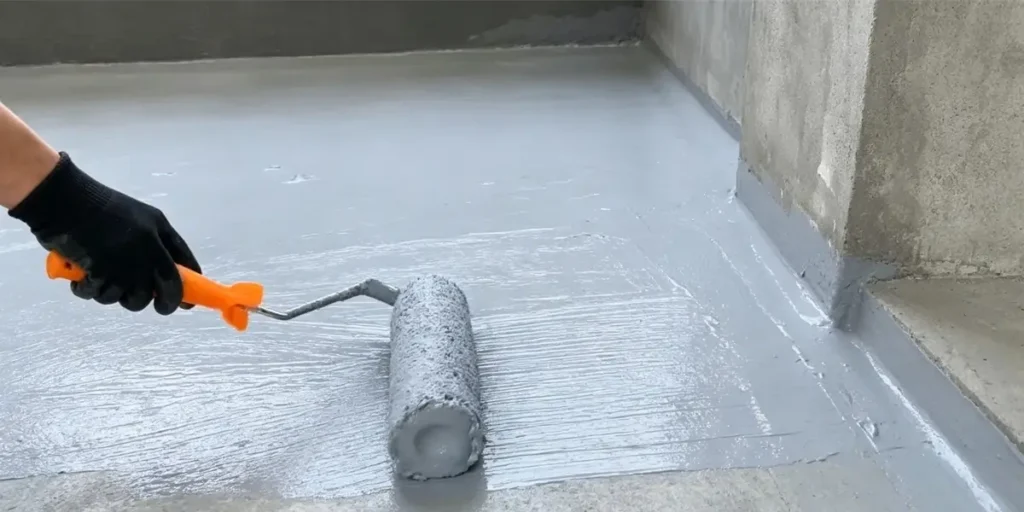
When sourcing PU waterproof coating from manufacturers — especially from China — you’ll receive a stack of Technical Data Sheets. Most importers skim them. That’s a mistake. A PU waterproof coating TDS contains six specific numbers that separate a reliable product from one that will fail in the field. This guide explains what each number actually means, what a good value looks like, and what red flags to watch for.
1. Tensile Strength — Can the Membrane Handle Stress?
Tensile strength measures how much pulling force the cured PU waterproof coating film can withstand before breaking. It’s tested per ASTM D412 or GB/T 19250.
What’s good: ≥1.5 MPa for general construction use. Premium water-based formulations reach 1.6–1.7 MPa. Below 1.2 MPa, the coating tears too easily under structural movement.
Why it matters: A low-tensile PU waterproof coating film will crack when the concrete substrate expands or contracts. This is the single most common cause of waterproofing failure in tropical climates where buildings experience extreme daily temperature swings.
Red flag: If a supplier’s PU waterproof coating specification lists tensile strength below 1.0 MPa, or worse — doesn’t list it at all.
2. Elongation at Break — The PU Advantage
This is where PU waterproof coating outperforms acrylic and cementitious alternatives. Elongation measures how far the cured film can stretch before rupturing — essentially, its crack-bridging ability.
What’s good: ≥300% is the industry baseline. Quality PU waterproof coating products deliver 350–400% or higher. Acrylic coatings typically max out at 150–250%.
Why it matters: Concrete cracks. A 1 mm hairline crack will widen over time. A coating with 350% elongation can bridge cracks without tearing; one with 150% cannot. This is the most important PU waterproof coating specification for projects in earthquake-prone or high-settlement areas.
Red flag: If elongation isn’t stated on the TDS, the supplier is likely hiding poor performance.
3. Bonding Strength to Concrete — Adhesion Matters
No matter how strong the coating is, if it peels off the substrate, waterproofing fails. Bonding strength measures adhesion between the cured PU waterproof coating film and the concrete surface.
What’s good: ≥1.0 MPa to dry concrete. Premium products reach 1.2 MPa. Below 0.8 MPa, peeling risk increases dramatically — especially on vertical surfaces or under hydrostatic pressure.
Why it matters: A PU waterproof coating with poor adhesion will delaminate from basement walls and foundation slabs within months. This failure mode looks like a product problem but is almost always a specifications issue — the coating simply wasn’t formulated for strong concrete bonding.
4. Water Impermeability — The Core Function
This is the fundamental waterproofing test. The standard benchmark: 0.3 MPa water pressure applied for 120 minutes with zero leakage through the membrane.
What’s good: Pass at 0.3 MPa / 120 min. This is the minimum for any legitimate PU waterproof coating, regardless of price point.
Why it matters: A coating that leaks at 0.3 MPa will fail in basements, water tanks, and any application with standing water. The test is binary — it either passes or it doesn’t. There’s no “almost.”
5. Low-Temperature Flexibility — For Cold-Climate Markets
This tests whether the cured film remains flexible at freezing temperatures. Standard: no cracking when bent around a mandrel at -35°C.
What’s good: Pass at -35°C. For markets with seasonal freezes (Northern Europe, Russia, Canada, Northern China), this is non-negotiable.
Why it matters: A PU waterproof coating that passes at -10°C but cracks at -35°C is useless for cold-climate projects. The coating becomes brittle in winter, loses its crack-bridging ability, and fails exactly when waterproofing matters most.
6. Surface Finish Quality — The Overlooked Indicator
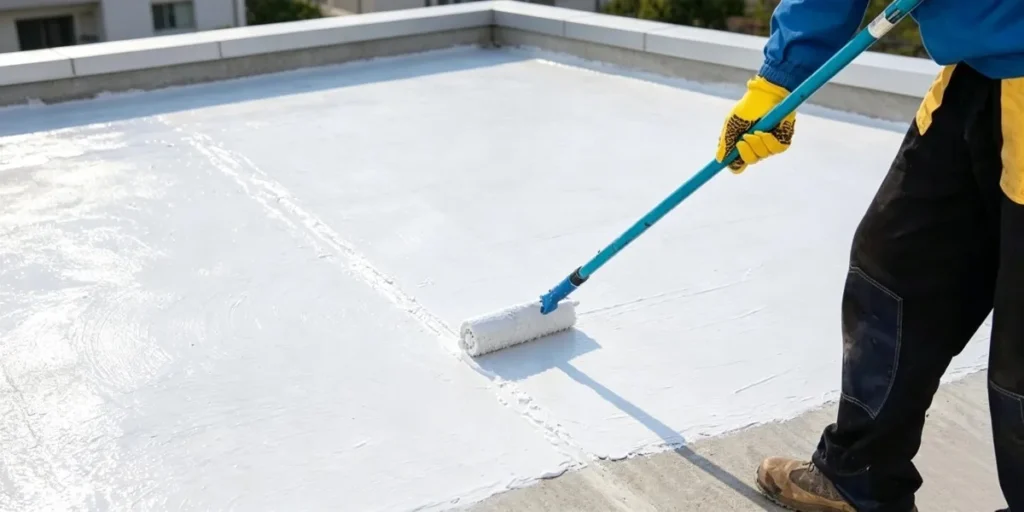
Most importers never check this until they receive a shipment — and by then it’s too late. A proper PU waterproof coating cures to a smooth, continuous film without bubbles, pinholes, or surface roughness.
There’s no single lab test for this. You verify it by applying a sample and inspecting the cured surface visually.
What’s good: Smooth, even finish with zero visible bubbles. This reflects proper emulsification during manufacturing — consistent particle size, no cheap fillers, no trapped air.
What’s bad: A pitted or bubbly cured surface. Tiny pinholes become water penetration points over time. This is the root cause of most field blistering complaints — and it traces directly back to manufacturing quality, not application error.
How to Use This When Sourcing PU Waterproof Coating from Overseas
When you’re evaluating a PU waterproof coating manufacturer, here’s your checklist:
- Request the TDS before placing any order. A legitimate factory provides it upfront. If a supplier hesitates, they’re likely a trader with no quality control over what leaves the warehouse.
- Compare the six numbers above against the benchmarks. Don’t get distracted by marketing language — the specification sheet tells you everything.
- Order a sample and apply it. Check the cured surface. Smooth or pitted? Any visible bubbles? Does adhesion hold on your actual substrate, in your climate?
- Ask about OEM capability. A PU waterproof coating manufacturer offering OEM — custom formulations, private-label packaging, color matching — is almost certainly operating their own production line, not reselling.
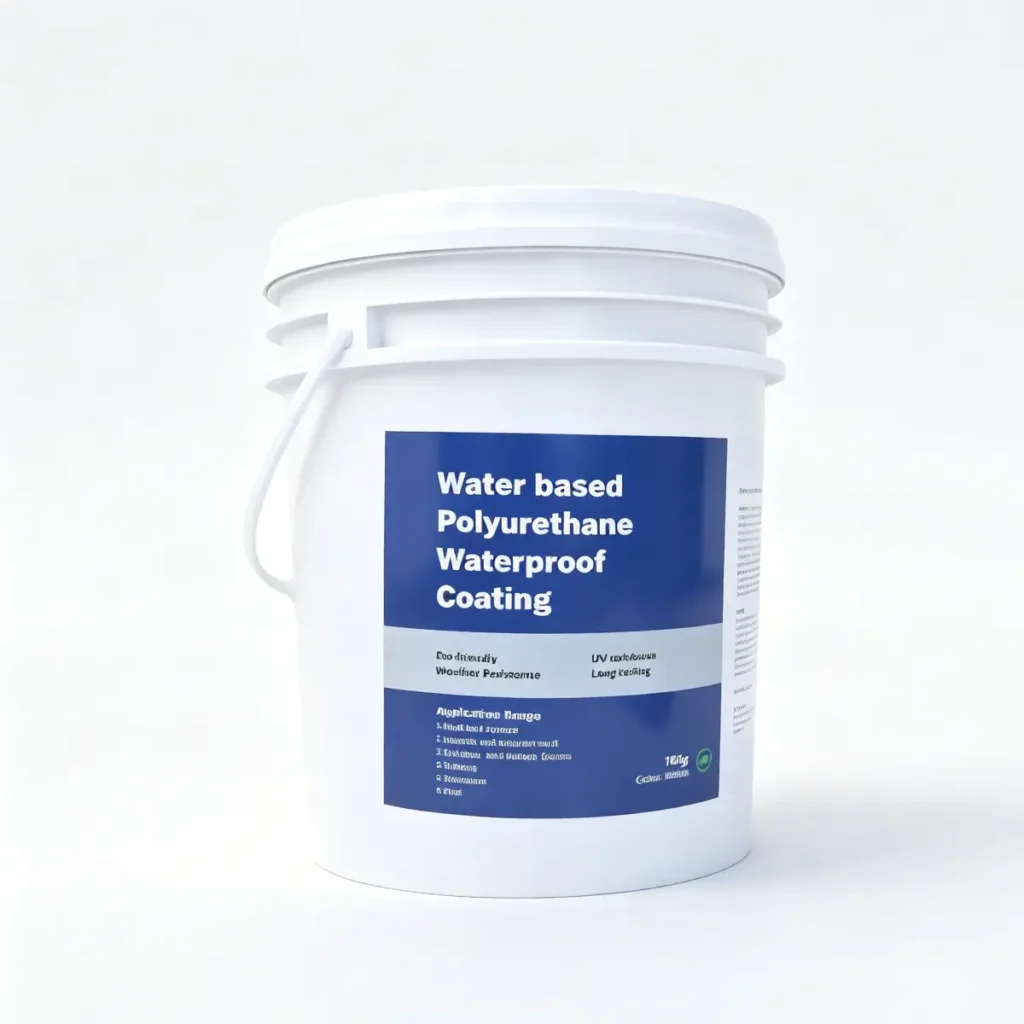
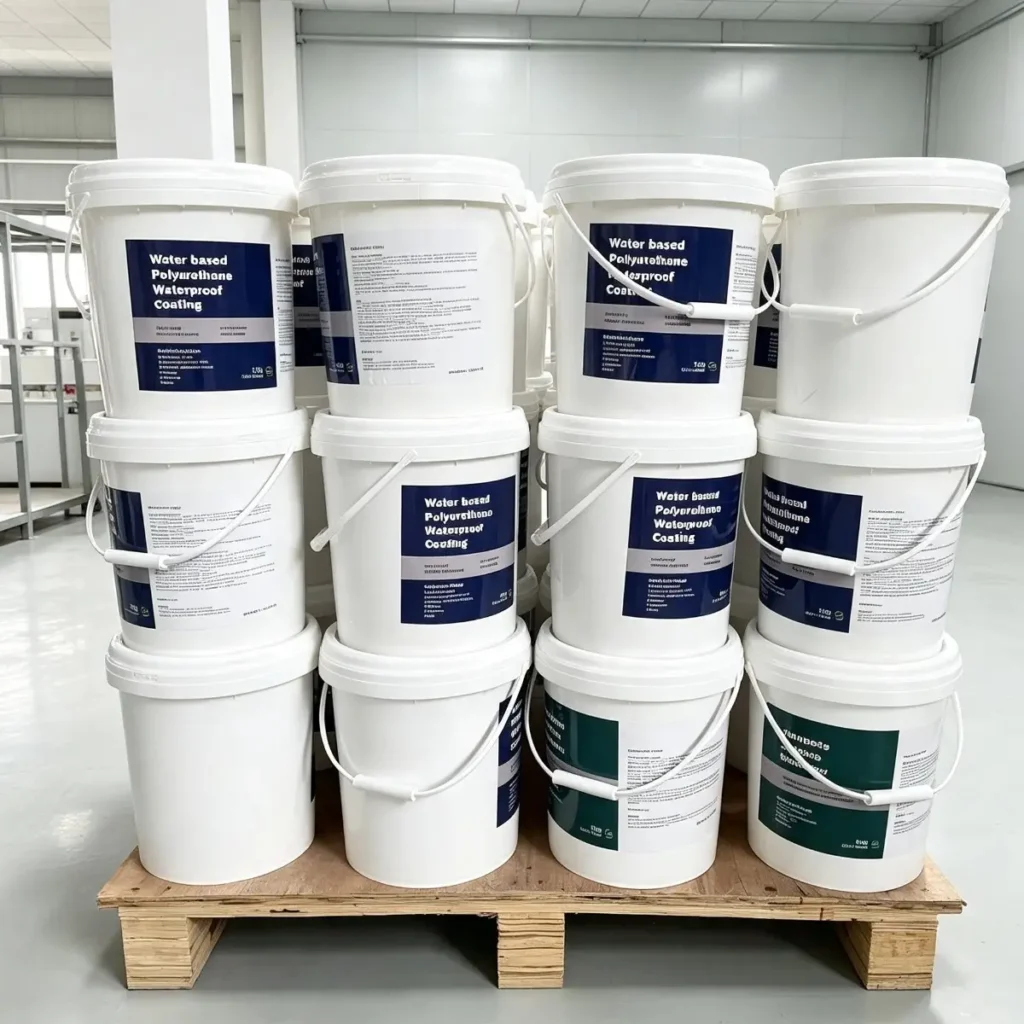
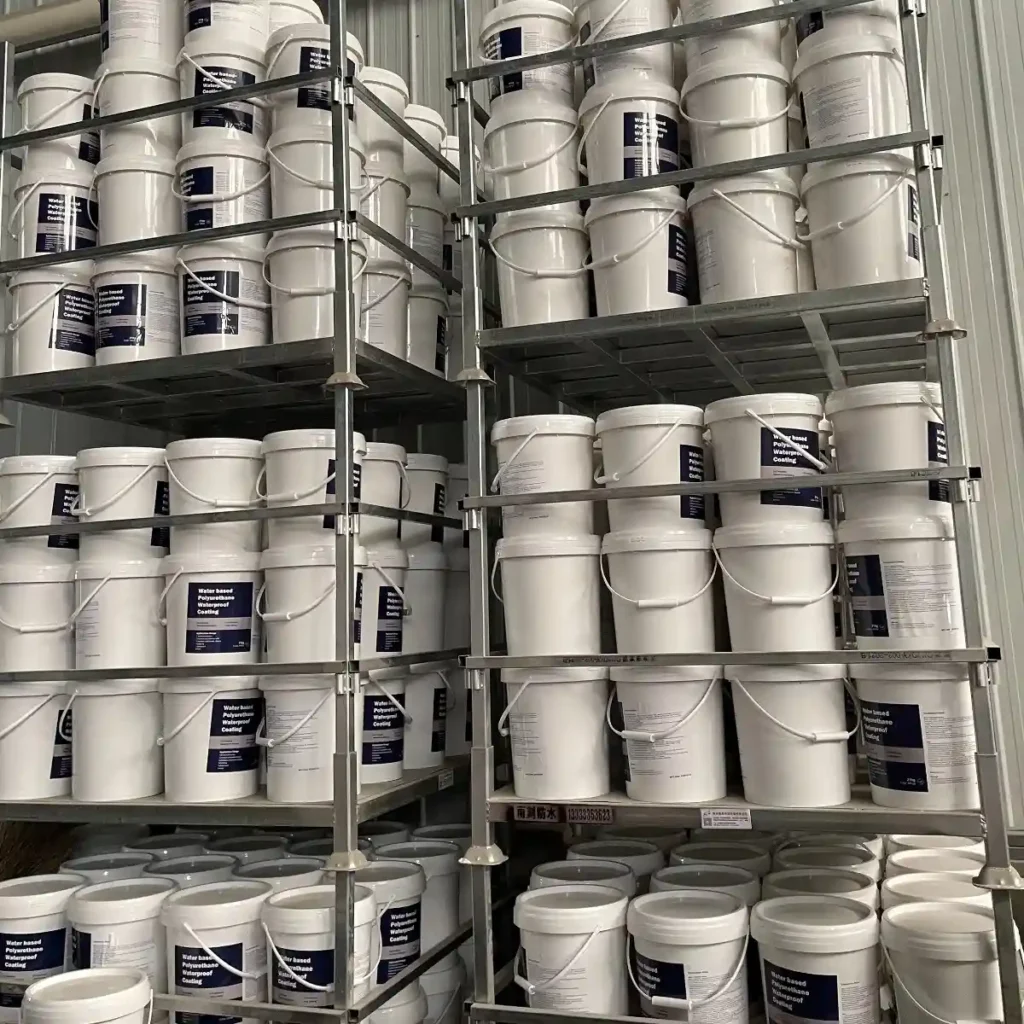
For reference, BOSLAI‘s water-based PU waterproof coating — produced at a 10,000-ton facility in Hangzhou and exported to 40+ countries — tests at 1.69 MPa tensile, 352% elongation, 1.2 MPa bonding, -35°C flexibility, and 0.3 MPa impermeability. The cured surface is consistently smooth and bubble-free. View the full TDS and request sample here.
We’ll get back to you within 24 hours. Emails occasionally end up in the spam folder, so we kindly ask you to provide your WhatsApp so we can reach you urgently if needed.
When you know which numbers on a PU waterproof coating TDS actually matter, sourcing becomes straightforward. Don’t buy a story — buy the specification sheet.