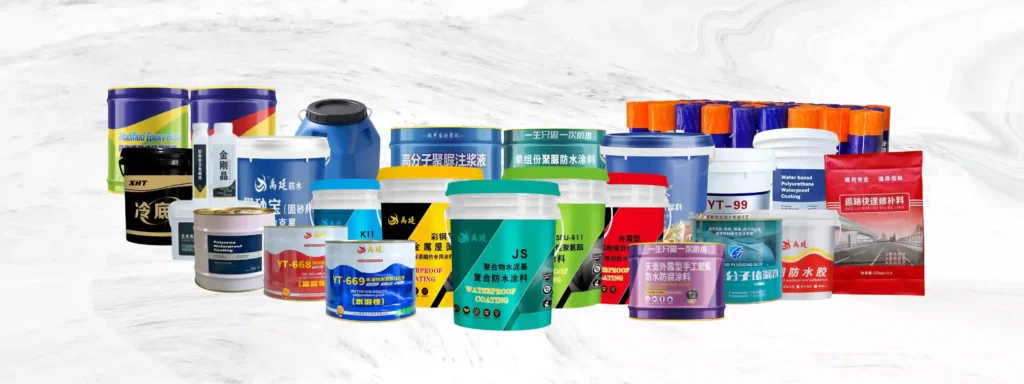
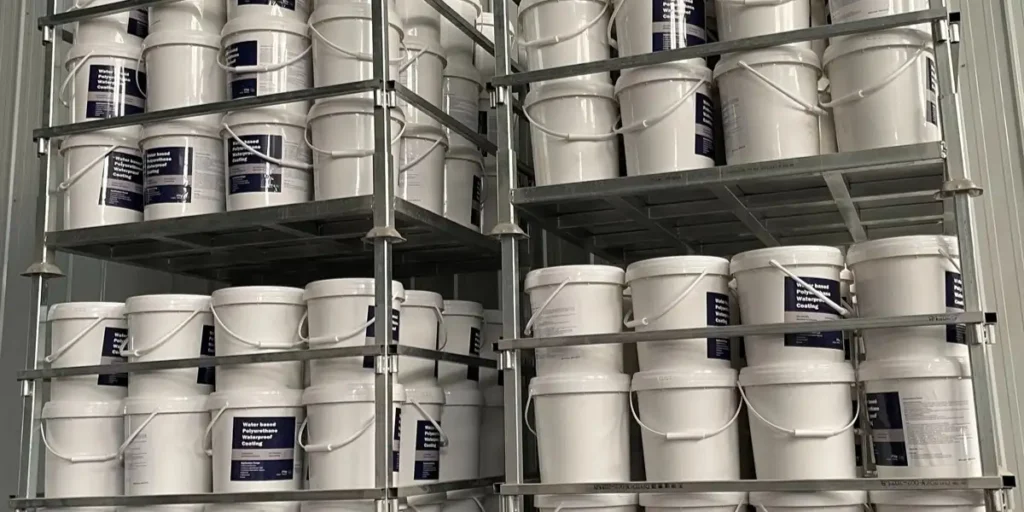
Many first-time importers ask: “Can I import waterproof coating without a freight forwarder?” The short answer is no — and this article explains exactly why. Waterproof coating is a chemical product, which means stricter customs supervision than ordinary goods. Without a freight forwarder for waterproof coating, customs clearance cannot happen, and your goods sit at the port until they are confiscated or returned. As a waterproof coating manufacturer and exporter, BOSLAI has shipped to 40+ countries and seen every freight forwarder scenario imaginable. Here are 7 proven reasons a freight forwarder for waterproof coating is non-negotiable.
Reason 1: Waterproof Coating Is a Chemical, Not Ordinary Goods
When you import waterproof coating, customs classifies it as a chemical product under HS code 320910 (water-based acrylic or vinyl polymer coatings) or 3208 (solvent-based). Chemical imports trigger additional checks — composition verification, VOC content, hazardous goods assessment, and label compliance. A freight forwarder for waterproof coating knows which inspections apply and prepares the paperwork before the container even arrives, avoiding costly port storage fees that can exceed $100 per day.
Reason 2: You Cannot Do Waterproof Coating Customs Clearance Alone
Waterproof coating customs clearance requires a licensed entity — either you hold an import license and a customs broker files on your behalf, or your freight forwarder for waterproof coating clears under their own license. Either way, a licensed professional is in the loop. Without them, the customs system will not accept your declaration, and the container cannot be released. There is no DIY customs path for chemical imports — this is the single biggest reason a freight forwarder for waterproof coating is mandatory.
Reason 3: Two Types of Forwarders Cover Different Importer Profiles
Not all forwarders work the same way. Knowing which type fits your business prevents headaches:
- Volume-based forwarders: Charge by CBM (cubic meter), deliver to your address, and handle customs clearance under their own license. You don’t need your own import qualifications — they become the importer of record. Best for smaller distributors and trial orders.
- Formal-trade forwarders: Follow standard import/export procedures. You need a registered import license; the forwarder files the declaration and pays duties on your behalf. Best for established waterproof coating importers handling full container loads.
BOSLAI works with both models — if you do not yet have a freight forwarder for waterproof coating, our export team can recommend partners familiar with chemical shipments in your region.
Reason 4: The Forwarder Calculates and Pays Import Duties
When you import waterproof coating, import duties and VAT vary by destination and HS code. Many country pairs have free trade agreements that reduce the rate to 0% — but only if a Certificate of Origin is filed correctly. Your freight forwarder for waterproof coating calculates the exact duty, applies FTA preferences, and pays on your behalf so the goods release without delay. Get the COO wrong, and you overpay by 5 to 10%. This alone justifies the forwarder’s fee.
Reason 5: Documentation Flows Through the Forwarder
Every waterproof coating customs clearance case needs a documentation pack:
- Commercial invoice and packing list
- Bill of lading
- TDS (Technical Data Sheet)
- MSDS (Material Safety Data Sheet), bilingual
- Sea transport assessment report
- Certificate of Origin (for FTA tariff savings)
Your waterproof coating exporter — like BOSLAI — provides the supplier-side documents. Your freight forwarder for waterproof coating submits them to customs. Missing one document means the container stays held. A professional forwarder pre-checks the entire pack before arrival, which is why waterproof coating customs clearance goes smoothly when the right forwarder is involved.
Reason 6: Inland Transport From Port to Warehouse Is Their Job
Clearing customs is only half the job. Once the container releases, it still needs to travel from the port to your warehouse. A freight forwarder for waterproof coating arranges inland trucking, handles port fees and THC (terminal handling charges), and delivers to your door. Without a forwarder, you would be coordinating trucking, port paperwork, and waterproof coating customs clearance yourself — a near-impossible juggle for a first-time importer trying to import waterproof coating.
Reason 7: A Good Forwarder Saves You More Than They Cost
A common mistake is choosing the cheapest forwarder. Chemical coating shipments need specialist knowledge — wrong HS code classification, missing MSDS, or mislabeled dangerous goods can trigger inspections, fines, or container returns that cost 10 times the forwarder’s fee. A competent freight forwarder for waterproof coating catches issues early, negotiates better ocean freight rates, and keeps your timeline on track. BOSLAI’s coordinators work side-by-side with your forwarder from booking to delivery — when a problem arises, both sides respond immediately.
We’ll get back to you within 24 hours. Emails occasionally end up in the spam folder, so we kindly ask you to provide your WhatsApp so we can reach you urgently if needed.
FAQ
Can I import waterproof coating without a freight forwarder?
No. Waterproof coating is a chemical product, and customs requires a licensed entity to file the declaration and pay duties. Without a freight forwarder (or your own import license plus customs broker), the container cannot clear. For first-time importers, a volume-based forwarder that handles everything under their license is the simplest path.
What documents does a freight forwarder need for waterproof coating customs clearance?
The forwarder needs from you: commercial invoice, packing list, bill of lading, TDS, MSDS (bilingual), sea transport assessment report, and Certificate of Origin if you want FTA tariff savings. Your waterproof coating exporter supplies these; the forwarder submits them to customs.