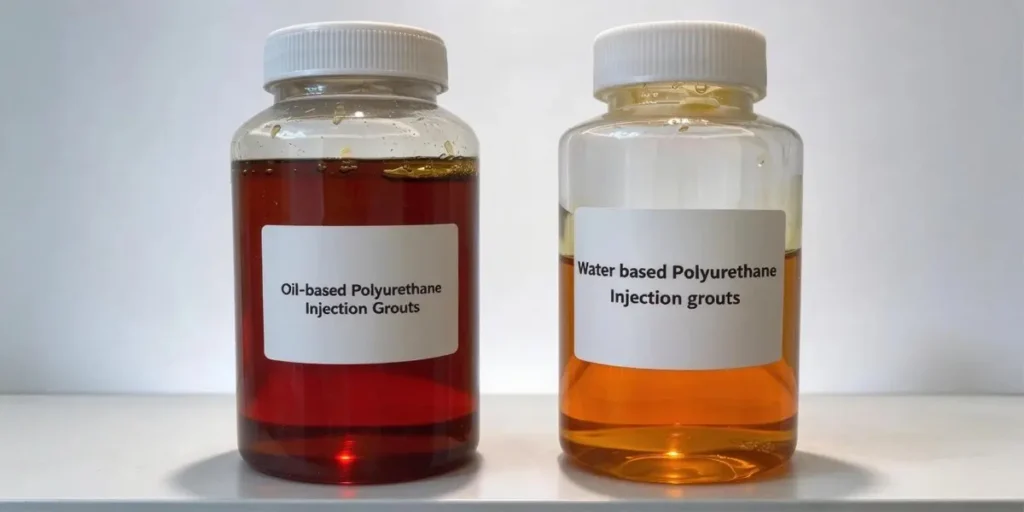
PU grout — short for polyurethane injection grout — is one of the fastest-growing categories in the waterproofing trade, and distributors sourcing from Asia keep asking the same question: water-based or solvent-based? The two products look almost identical in the drum, both react with water, and both go in with the same grouting machine. Yet they behave very differently on site, and stocking the wrong grade for your market is an expensive mistake.
As a PU grout supplier and PU grout exporter in China, we ship both grades every month, and the question we hear most from importers is not “which is better” but “which one does my market actually need”. Here is a plain comparison, using the trade names most overseas buyers already know: PU 669 for water-based PU grout and PU 668 for solvent-based PU grout.
What is water-based PU grout (PU 669)?
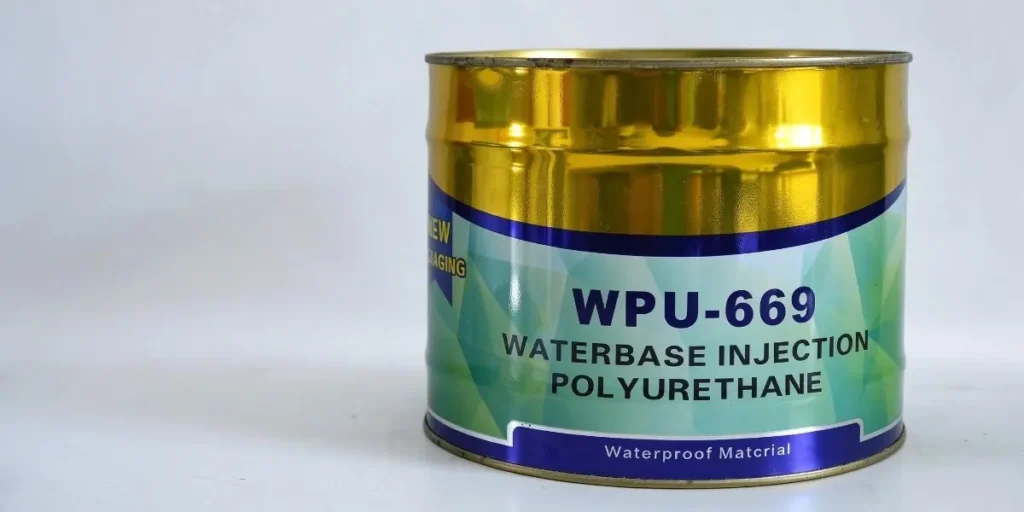
Water-based PU grout, widely traded as PU 669, is a hydrophilic polyurethane injection grout dispersed in water. Because the resin is already water-borne, it mixes readily with large volumes of water and reacts fast: when it meets flowing water, a stable gel forms in around 20 seconds. That speed is the whole point — the material seals the water path before the current can wash it out of the crack.
This is why water-based PU grout is the standard choice for heavy water inrush: tunnel crossings, dam foundations, basement walls under hydrostatic pressure, and any leak where water is actively pushing through. Its low viscosity also lets it travel deep into fine cracks and gravel layers before it gels, covering a wider repair zone from a single injection point. After curing it remains slightly flexible, which helps the seal tolerate minor structural movement. One more practical point for distributors: because it contains no organic solvent, it is easier to ship, store and quote for public projects.
What is solvent-based PU grout (PU 668)?
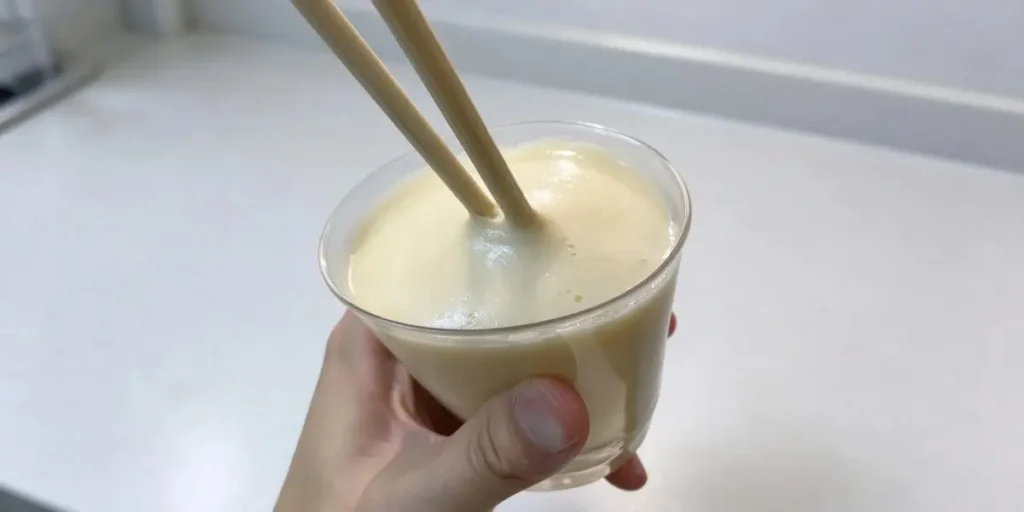
Solvent-based PU grout, known in the trade as PU 668, is a hydrophobic system carried in an organic solvent. It needs only a small amount of water to start reacting. Once triggered, it foams and hardens into a solid, closed-cell foam within about 30 minutes — and that rigid foam blocks the leak for good.
The slower, gradual reaction is an advantage where there is little water to drive a fast one: cracks with slow seepage, damp concrete, construction joints, and secondary waterproofing behind a first repair. Solvent-based PU grout also expands more strongly, so it fills voids aggressively. The trade-offs are real, though: it is flammable during application, needs ventilation in confined spaces, and is the wrong tool where water is gushing out under pressure.
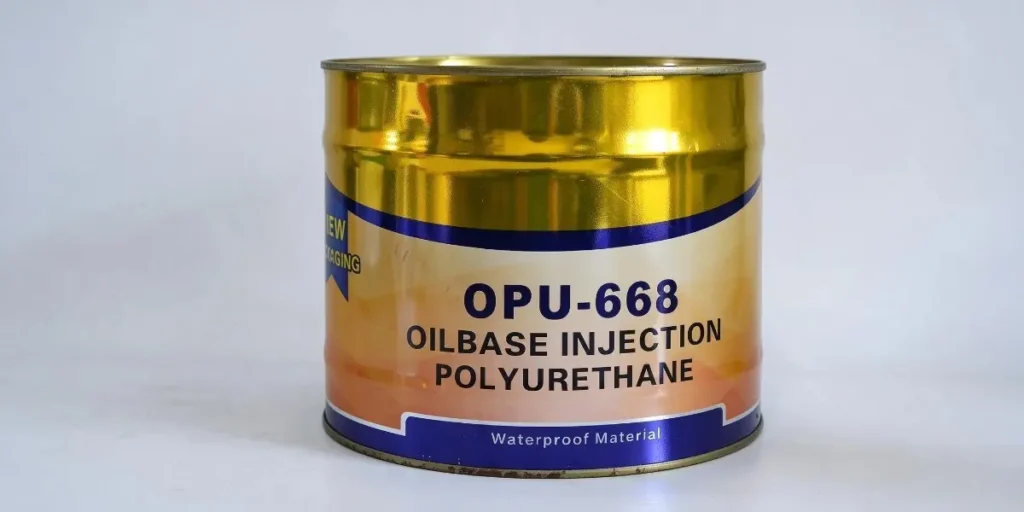
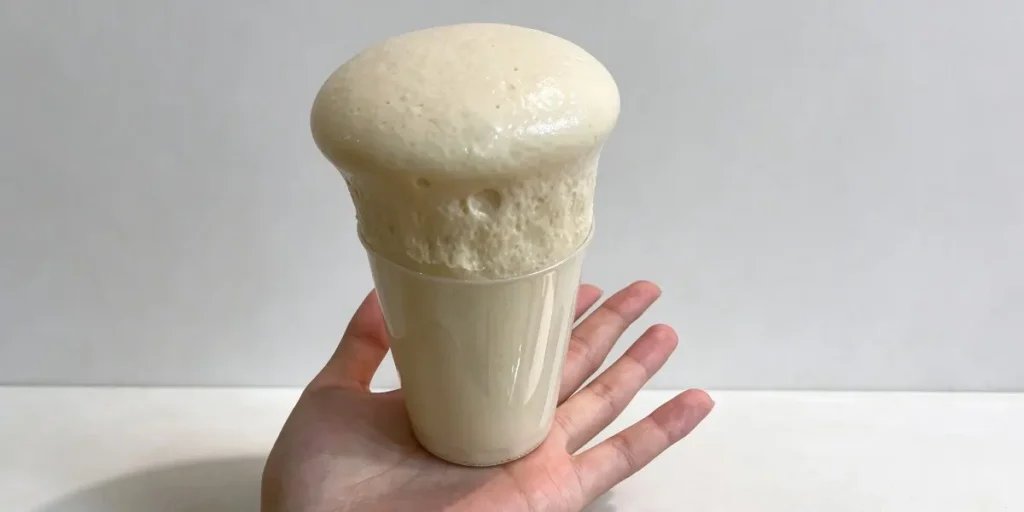
6 differences at a glance
- Reaction trigger. Water-based PU grout is hydrophilic and bonds with abundant water; solvent-based PU grout is hydrophobic and needs only traces of moisture.
- Reaction speed. PU 669 gels in roughly 20 seconds in flowing water; PU 668 cures into solid foam within 30 minutes.
- End product. Water-based forms a flexible gel; solvent-based forms a rigid, closed-cell foam.
- Best scenario. Water-based PU grout for heavy, fast leaks; solvent-based PU grout for slow seepage, damp cracks and void filling.
- Jobsite safety. Water-borne systems are low-odor and non-flammable; solvent-based systems require ventilation and fire precautions.
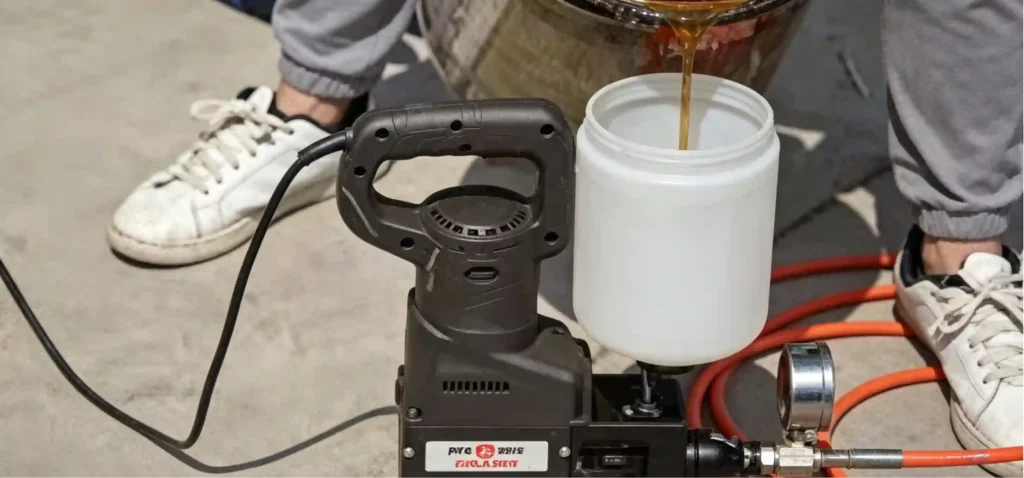
- Application. Both are single-component liquids injected with the same high-pressure grouting machine — no different equipment needed. One polyurethane injection grout platform, two chemistries — and the chemistry decides whether the repair holds.
Both grades are injected with a grouting machine
Neither product is applied by brush or roller. Both are injected with a high-pressure grouting machine, typically through packers set into the crack, so the installation method is identical — only the chemistry differs. This matters when you import: drums and gaskets must survive sea freight, and solvent-based PU grout carries additional transport rules because of its flammable solvent. A reliable PU grout supplier in China will provide the full TDS, packing data and shipping documents for both grades before you order — and a serious PU grout exporter will offer drum sizes (10 kg, 25 kg or 200 kg) that fit the way you resell locally.
We’ll get back to you within 24 hours. Emails occasionally end up in the spam folder, so we kindly ask you to provide your WhatsApp so we can reach you urgently if needed.
Which grade should your market stock?
Most distributors eventually stock both. Markets with heavy infrastructure spending — tunnels, metros, dams — move water-based PU grout first; markets focused on maintenance and residential waterproofing pull more solvent-based PU grout. Freight is worth checking early as well: the water-based grade ships as ordinary cargo, while the solvent-based grade may add flammable-goods handling on certain lanes, which changes your landed cost per pail. Any experienced PU grout exporter will flag this before quoting.
When you evaluate a PU grout supplier in China, check three things: published TDS with gel-time and expansion data, OEM and private-label flexibility, and export experience with the documentation the solvent-based grade requires. Ask for samples of both grades and test them in water before committing to a container.
Water-based PU grout (PU 669) and solvent-based PU grout (PU 668) are complements, not competitors. Choose by water volume on site: fast gel for flowing water, expanding foam for damp and slow leaks. As a PU grout exporter and PU grout supplier in China, BOSLAI supplies both grades with TDS, free samples and OEM options — contact us to request the datasheets.
FAQ
Q1: What is PU 669 grout?
A water-based (hydrophilic) polyurethane injection grout that gels in about 20 seconds when it meets flowing water. It is used to stop heavy leaks and water inrush.
Q2: What is PU 668 grout?
A solvent-based (hydrophobic) PU grout that reacts with a small amount of water and cures into rigid foam within 30 minutes. It suits damp cracks and slow seepage.
Q3: Can water-based and solvent-based PU grout be used together?
Yes. A common practice is to inject water-based PU grout first to stop flowing water, then solvent-based PU grout to reinforce the seal and fill remaining voids.
Q4: What equipment do I need to inject PU grout?
A high-pressure grouting machine (typically 3–7 MPa), injection packers and flushing fluid. Both PU 669 and PU 668 use the same equipment.
Related Products
- Water-Based Polyurethane Injection Grout
- Solvent-Based Polyurethane Injection Grout
- Polyurea Injection Grout
- Water-Based Polyurethane Waterproof Coating
Related Posts
- SikaFix Alternative: 5 Reasons Importers Switch to BOSLAI PU Injection Grout
- Best Joint Filler for Expansion Joints: 7 Powerful Reasons Polyurea Grout Beats Polyurethane Sealant
- Polyurethane Injection Grouting: Complete Procedure Guide
- JS Polymer Cement Waterproof Coating vs Polyurethane Waterproof Coating: A Comparative Analysis