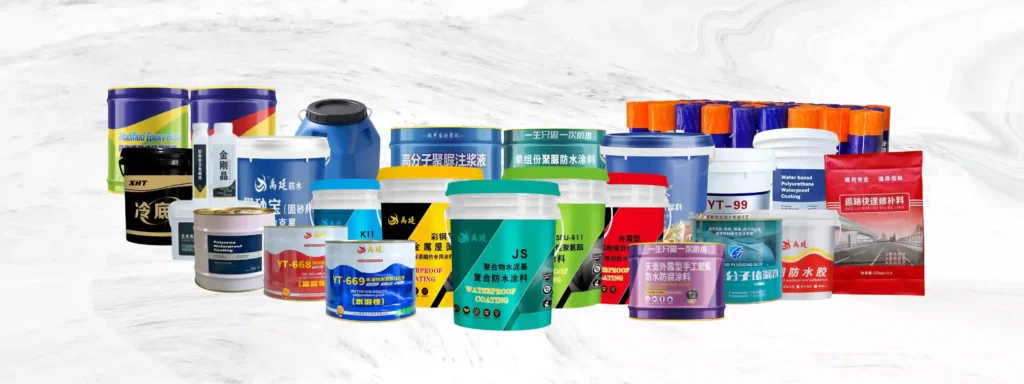
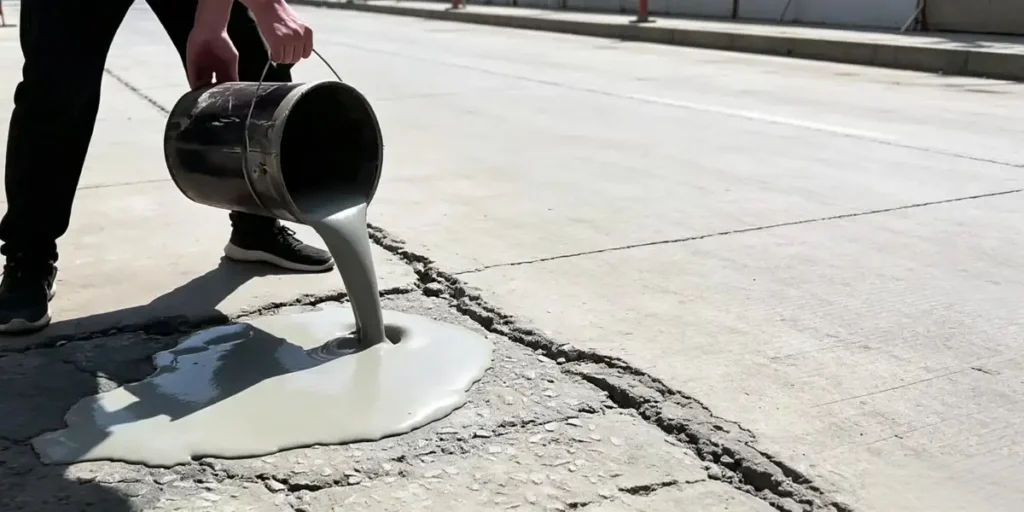
WAYGO Cement Repair Mortar is a fast-setting, polymer-modified, one-component powder for thin-layer concrete spalling repair, pitting, scaling, pop-outs, and shallow potholes on concrete roads, factory floors, parking lots, roofs, and gas stations. BOSLAI, the cement repair mortar manufacturer behind the brand, runs the waygo cement repair mortar factory in China, packs it in 25 kg bags, and ships worldwide with OEM and private-label support. But like every high-performance concrete repair mortar, it reaches its rated strength only when the base is prepared and the batch is mixed correctly. This guide covers the precautions that decide most of the outcome.
1. Prepare the Substrate — the Repair Is Only as Strong as the Base
Repair mortar does not glue onto dirt. It mechanically bonds to sound, rough, clean concrete, and poor surface preparation remains the number-one cause of concrete repair mortar failure worldwide. Before you open a bag:
- Chip out every loose fragment of blistered, scaled, or delaminated concrete until you reach solid material.
- Scarify smooth or contaminated surfaces. Power-troweled, coated, or oil-stained slabs must be roughened first — a milling machine is ideal; a pointed hammer works for small areas.
- Match the method to the defect. Concrete spalling repair and pits shallower than 3 mm need only roughening plus a thin overlay. Potholes deeper than 10 mm should be pre-filled with repair mortar blended with clean 5 mm crushed stone to control shrinkage and cost.
- Route hairline cracks. Cracks under 3 mm wide are too narrow to fill properly; open them into a V-groove so the mortar can anchor inside.
2. Wash, Soak, Then Remove Standing Water
Pressure-wash until zero dust, sand, or slurry remains, flushing debris out of the work zone so it cannot flow back. If you have no milling machine, several passes of high-pressure washing are the absolute minimum — the “splash and sweep” shortcut is precisely what ruins repairs.
Then saturate the slab. Flood the surface and let water stand until the concrete stops absorbing and bubbles stop rising. Best practice on site: soak the evening before, then re-soak for 20 minutes just before application. A dry base pulls water out of fresh mortar at the bond line, which is why failed patches sound hollow when tapped.
Finally, sponge or mop away every puddle. The surface must be damp with no visible free water. Skipping this step leaves over-wet zones that weaken the repair layer — and it is the single most commonly skipped step in the field.
3. Respect the Cement Repair Mortar Mixing Ratio
Each bag of WAYGO Cement Repair Mortar leaves the waygo cement repair mortar factory pre-blended: cement, polymers, accelerators, water reducers, fibers, and a dozen additives in fixed proportions. The cement repair mortar mixing ratio is therefore not a suggestion — 16–18% clean water by weight, or 4.0–4.5 liters per 25 kg bag. If the mix is workable at 16%, stay at 16% and never exceed the upper limit. Over-watering cuts bond strength, segregates the sand, and floats the anti-crack fibers to the surface.
Sequence matters too: weigh the water, pour about three-quarters into the bucket, add the powder, then add the final quarter. Powder-first mixing leaves dry lumps that never fully hydrate. Mix mechanically for 3–5 minutes until smooth, lump-free, and bubble-free; if lumps persist, rest one minute and remix. When in doubt, confirm the numbers against the TDS from your cement repair mortar supplier — the values above apply to WAYGO bags.
Two absolute bans:
- Never mix on open ground with a shovel — uneven blending plus soil contamination guarantees defects.
- Never place material past its working time. Hydration starts the second powder meets water; within 15–20 minutes the mix stiffens, streaks under the trowel, and cannot be saved by adding more water.
Quick Recap Before Part 2
- Substrate: sound, rough, clean — chip it, scarify it, route the cracks.
- Saturation: soaked until bubbles stop, then sponged free of standing water.
- Mix: 16–18% water — the cement repair mortar mixing ratio that governs strength — water first, mechanical mixing, 15–20 minutes working time.
Part 2 covers troweling technique, layering, control joints, curing, and reopening traffic. One sourcing tip before you go: when you evaluate a cement repair mortar supplier, ask for the full TDS, batch consistency data, and a free sample for a site trial before committing to a container. BOSLAI, the waygo cement repair mortar factory, provides all three, along with OEM packaging, custom formulations, and export documentation — message us by email or WhatsApp for the TDS or a sample, whether the job is a single concrete spalling repair on one loading dock or a full container program. The same rules govern any concrete repair mortar.
Join Our Distributor Network
We’ll get back to you within 24 hours. Emails occasionally end up in the spam folder, so we kindly ask you to provide your WhatsApp so we can reach you urgently if needed.