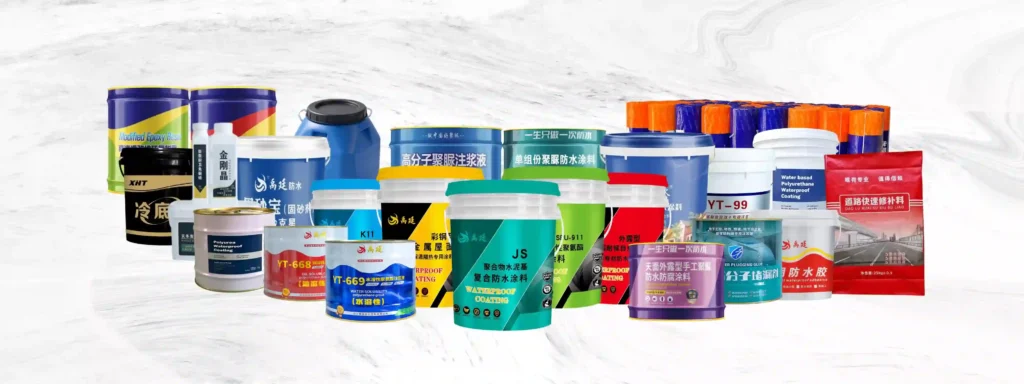
Expansion joints and deformation joints are deliberate gaps that let concrete and masonry move without cracking. They are also the first place water gets in. Most leaks in basements, bridges and tunnels start at a failed joint, not a failed slab. As a joint sealant manufacturer, we hear one question constantly: which concrete expansion joint sealant should I specify? That choice decides whether a deformation joint treatment lasts three years or fifteen.
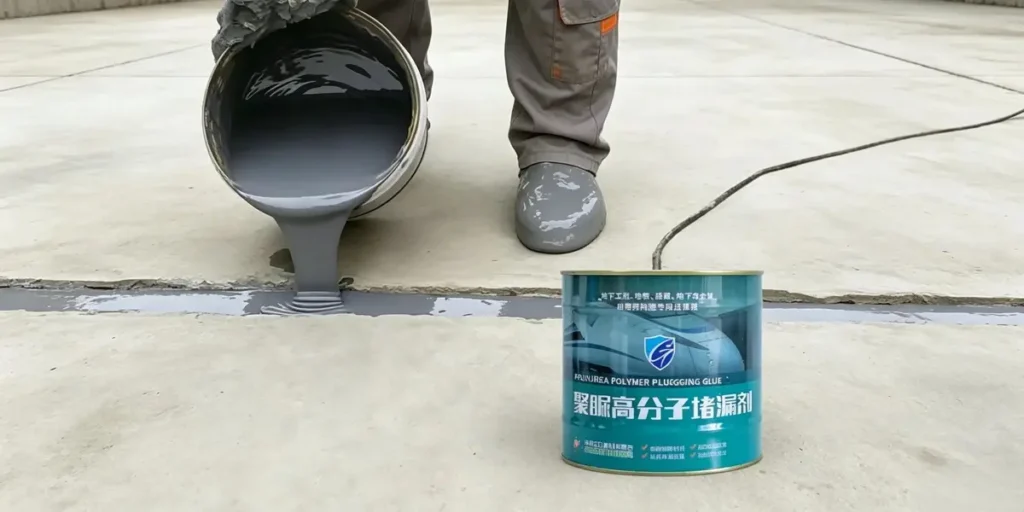
Why Expansion Joints and Deformation Joints Fail
Joints move. Thermal cycling, traffic vibration and settlement open and close the gap thousands of times, so the waterproof sealant must stretch and recover without tearing. Three failures dominate: adhesion loss on dusty joint faces, cohesive tearing when the sealant is too stiff, and chemical or UV breakdown in fuel bays and wastewater tanks. A reliable deformation joint treatment starts with matching the construction sealant to real joint movement and service environment.
3 Sealants for Expansion Joint and Deformation Joint Treatment
The three families below cover almost every concrete joint sealing specification, and BOSLAI produces all three as a joint sealant manufacturer and exporter.
1. Polyurethane Sealant — the Industry Standard
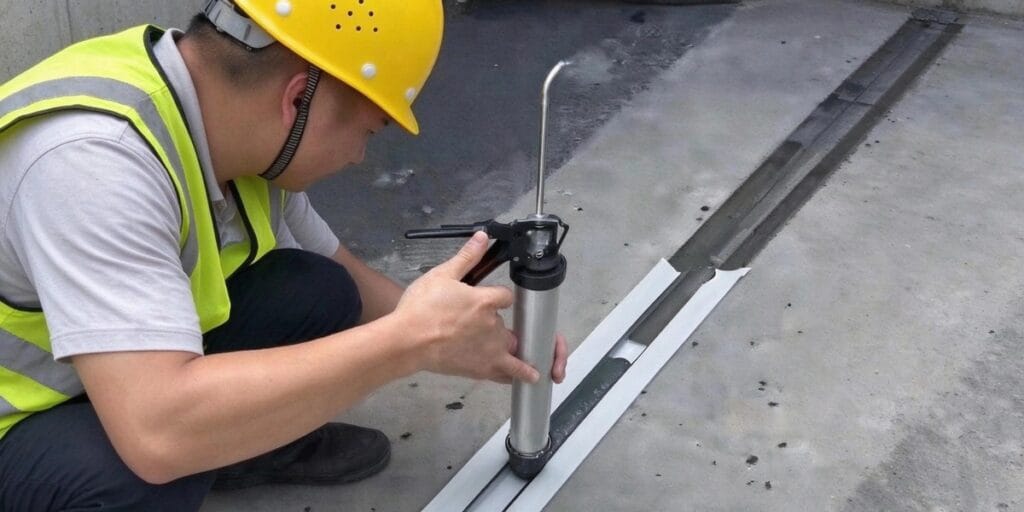
One-component polyurethane sealants such as Sika Sikaflex-221, Sikaflex NP1 (formerly MasterSeal NP 1) and Sikaflex-11 FC are the default choice for general construction joints. They cure with atmospheric moisture, need no primer on most substrates, accommodate ±35% joint movement and can be painted. They suit walls, precast panels, window perimeters and roofing details. BOSLAI manufactures and exports polyurethane sealant and accepts OEM orders under your own brand.
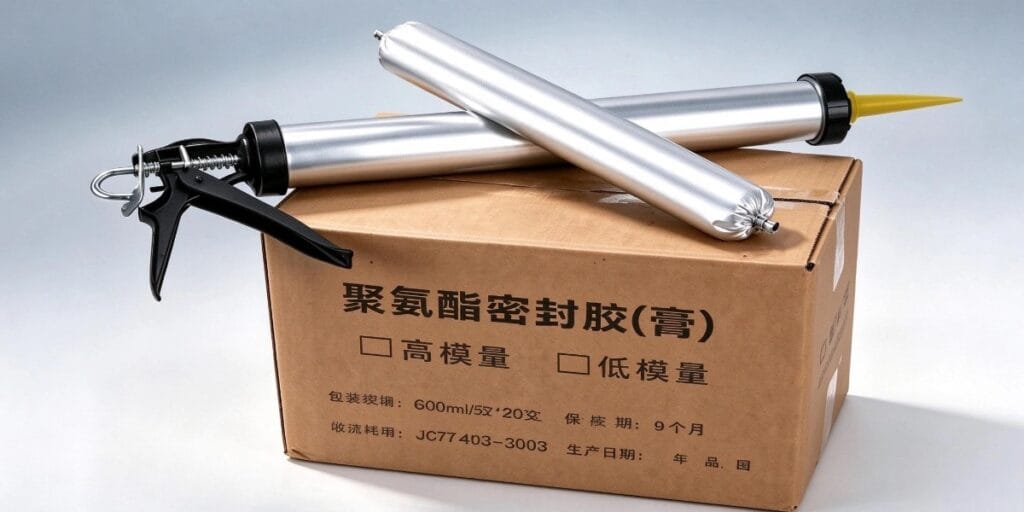
2.Polysulfide Sealant — the Fuel and Chemical Specialist
Two-component polysulfide sealants such as Fosroc Thioflex 600 (Gun and Pouring Grade) or Sika Duoflex NS are specified where fuels and solvents are present: airfields, garage floors, tunnels and secondary containment. They form a tough, rubber-like seal with ±25–30% movement and excellent resistance to petrol, diesel and kerosene. Their limit is temperature: typically only –20 °C to +80 °C, plus a 7–14 day full cure. We also produce and export polysulfide sealant for OEM buyers.
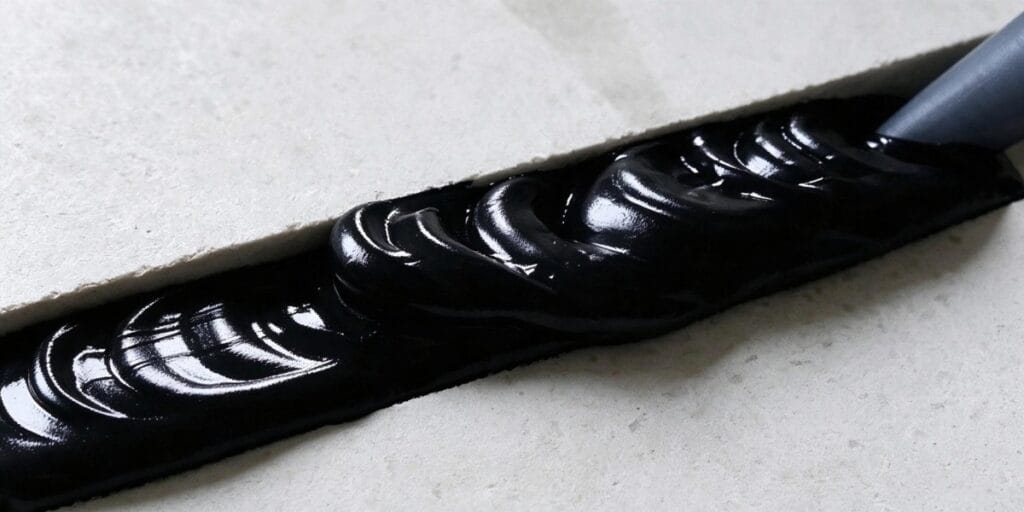
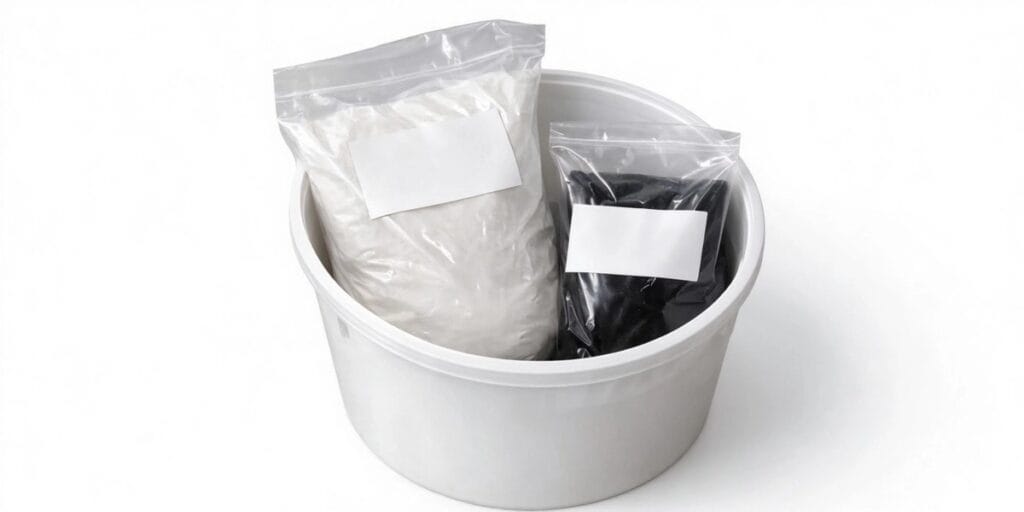
3. Polyurea Sealant (Polyurea Injection Grout) — Our Top Recommendation
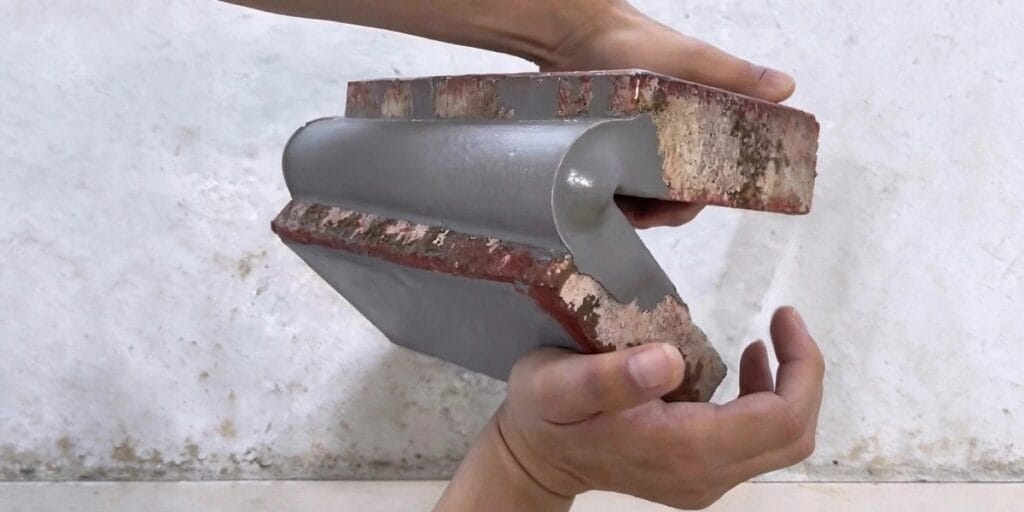
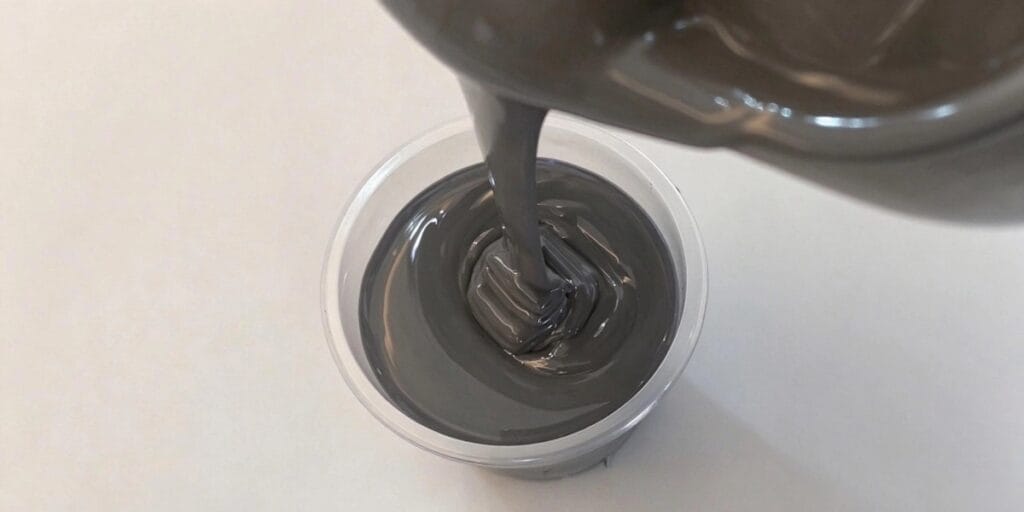
For severe movement, chemicals and temperature swings, a polyurea sealant outperforms both products above. As a polyurea sealant and injection grout manufacturer, we rate it first for three reasons: higher elasticity, faster cure and broader chemical resistance than a conventional polyurethane sealant. Its –50 °C to +120 °C service window covers desert, tropical and cold-storage projects where polysulfide reaches its limit. We supply it in two forms: gun-grade polyurea sealant for open joints, and polyurea injection grout for narrow cracks, honeycombed concrete and deep voids.
Polyurea vs Polyurethane vs Polysulfide: Quick Comparison
Spec data is half the story — ask any injection grout manufacturer for batch data and a TDS first.
| Property | Polyurethane Sealant | Polysulfide Sealant | Polyurea Sealant / Polyurea Injection Grout |
| Movement capability | ±35% | ±25–30% | Highest elasticity |
| Cure speed | Slow | 7–14 days | Fast |
| Chemical resistance | Good | Excellent | Excellent |
| Service temperature | –30 °C to +80 °C | –20 °C to +80 °C | –50 °C to +120 °C |
| UV and ageing | Good, paintable | Good, primer dependent | Very good |
| Typical use | General building joints | Fuel and chemical areas | Demanding joints, injection |
Why We Recommend Polyurea Sealant
Polyurea sealant wins on the three factors that destroy joint seals: movement, chemistry and temperature. Higher elongation and elastic recovery mean fewer cohesive tears as the joint cycles. Broad chemical resistance protects it in fuel bays, wastewater plants and industrial floors. The –50 °C to +120 °C window keeps it flexible in cold storage and under sustained heat. Faster cure cuts downtime, because traffic often returns the same day. Where rework is expensive, polyurea is the safest specification for deformation joint treatment.
We’ll get back to you within 24 hours. Emails occasionally end up in the spam folder, so we kindly ask you to provide your WhatsApp so we can reach you urgently if needed.
OEM Production and Global Supply
BOSLAI is a joint sealant manufacturer and waterproofing material exporter based China, shipping to more than 30 countries across Southeast Asia, the Middle East, Africa and beyond. As a polyurea injection grout manufacturer, we also produce polyurethane injection grout, waterproof coatings and grouting materials. Every shipment ships with a full TDS, free samples are available, and we support OEM — your brand, your packaging, your formulation. Send us your joint width, movement and chemical exposure, and we will recommend the right expansion joint sealant.
FAQ
Q1. What is the best expansion joint sealant?
Polyurea sealant is usually the best concrete expansion joint sealant. It offers the highest elasticity, excellent chemical resistance and a –50 °C to +120 °C service range. Polyurethane sealant suits general building joints; polysulfide sealant suits fuel-exposed areas.
Q2. Which joint sealant manufacturers in China export worldwide?
BOSLAI is a joint sealant manufacturer in China exporting polyurethane, polysulfide and polyurea sealants to more than 30 countries. We supply TDS documents, free samples and OEM production under your brand.
Q3. What is the difference between polyurea sealant and polyurea injection grout?
They use the same polyurea chemistry in two forms. Polyurea sealant is gun-grade for open expansion joints; polyurea injection grout is low-viscosity, pumped into cracks and voids. We produce both as an injection grout manufacturer.
Q4. Can I use polyurethane sealant for deformation joints?
Yes, if the joint moves within ±35%. It is easy to gun, primerless on most substrates and paintable, but it cures slowly and softens under sustained heat. For heavy movement or chemical exposure, choose polyurea sealant instead.
Related Products
- Polyurea Injection Grout
- Bitumen Waterproof Coating
- Acrylic Waterproof Coating
- Water-Based Polyurethane Injection Grout
Related Posts
- 1 Fiber Mesh + 3 Coats: The Ultimate Waterproof Coating Application Method for Zero-Leak Roofs
- Best Joint Filler for Expansion Joints: 7 Powerful Reasons Polyurea Grout Beats Polyurethane Sealant
- Water-Based Polyurethane Waterproof Coating: A Practical Guide for Construction Professionals
- WAYGO Cement Repair Mortar Application Precautions! (Part 1)