
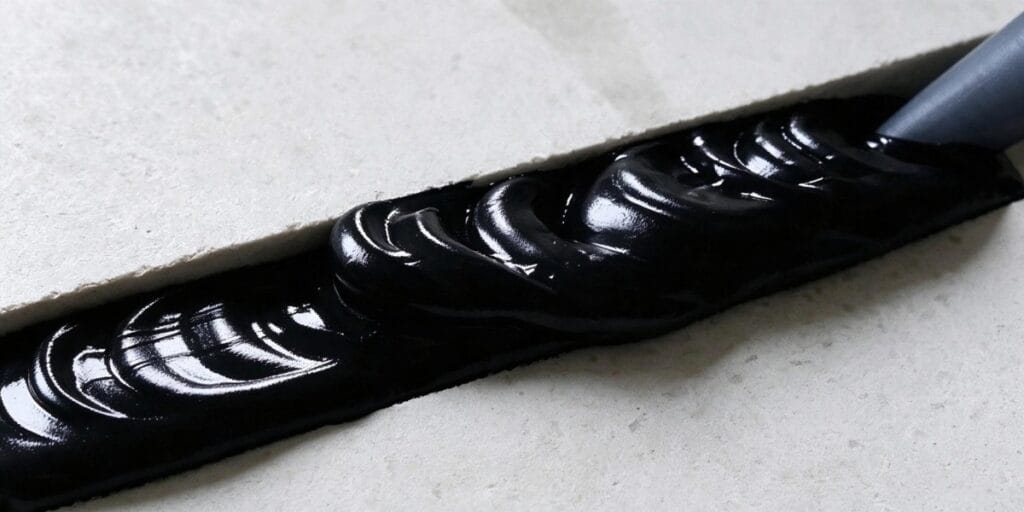
Joint Sealant is a specialized elastomeric material designed to fill and protect expansion, contraction, and construction joints in concrete structures—such as pavements, bridges, parking decks, and industrial floors. Formulated primarily from polyurethane, silicone, or polysulfide, it accommodates the continuous thermal and load-induced movement of concrete while preventing the ingress of water, de-icing salts, and abrasive debris that cause sub-base erosion, freeze-thaw damage, and steel reinforcement corrosion, thereby significantly extending the service life and structural integrity of the concrete. BOSLAI is a joint sealant manufacturer and exporter that producing many chemistries under one roof.
Product List

Polyurea Sealant
High-elasticity joint sealant for expansion joints, bridge decks and industrial floors where movement is continuous. Single-component, non-shrinking, cures even on damp substrates.
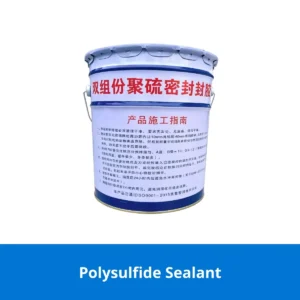
Polysulfide Sealant
Two-component sealant for water conservancy structures, wastewater tanks, airport aprons and tunnel segments. Resists permanent immersion, sewage gas, jet fuel and solvents. Self-levelling and non-sag grades available.
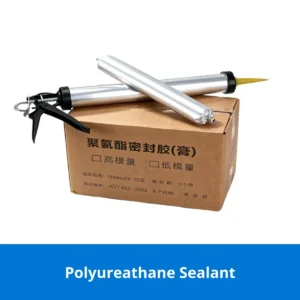
Polyurethane Sealant
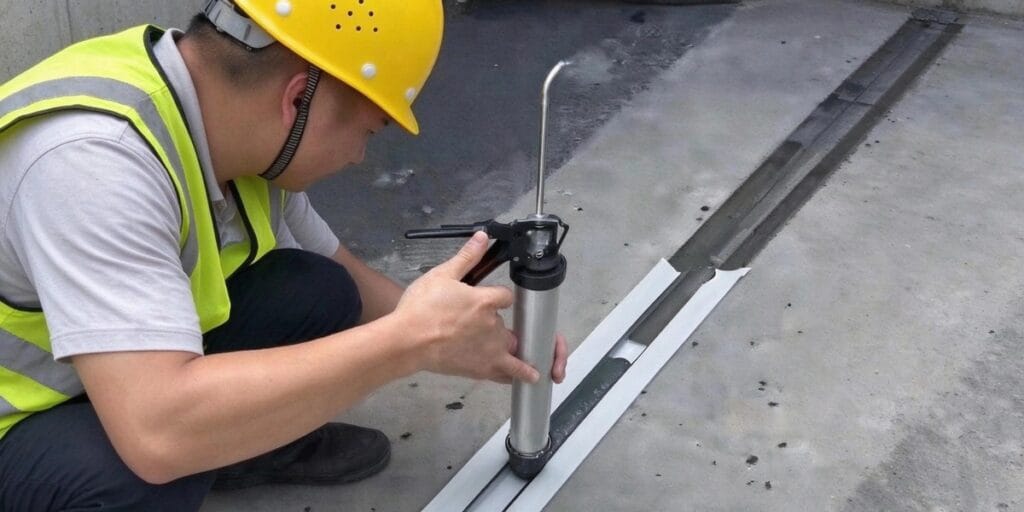
Single-component moisture-curing sealant, gun-applied with no mixing. Bonds to concrete, metal, stone and most plastics without primer, and accepts paint after cure. The volume choice for facades, curtain walls and parking decks.
WHICH JOINT SEALANT CHEMISTRY DO YOU NEED
Polyurea sealant — movement plus chemicals. Highest mechanical performance of the three. Built for joints that cycle daily and face chemical exposure at the same time. Higher cost per meter, justified where failure means structural repair.
Polysulfide sealant — immersion plus fuel. The specialist two-component system. Withstands permanent water contact, sewage gases, diesel and solvents that soften ordinary sealants. Requires ratio mixing on site.
Polyurethane sealant — general purpose value. One-component, gun-applied, paintable, lowest cost per meter. The default answer for building joints where chemical attack is not the concern.
APPLICATION RANGE
- Building envelope: curtain wall joints, window and door perimeters, facade panel joints, parapets.
- Civil infrastructure: bridge expansion joints, tunnel segment joints, subway structures, dam movement joints.
- Water and wastewater: treatment tanks, wet wells, reservoirs, irrigation channels, pool perimeters.
- Transport and industrial: airport runways and aprons, port decks, fuel station aprons, chemical plant floors.
- Below grade and parking: basements, parking decks, ramps, retaining walls, precast panel joints.
PACKAGING, MOQ, AND EXPORT SHIPPING
Polyurethane sealant ships in 750 g cartridges or 600 ml sausage foil. Polysulfide sealant ships as a two-component A/B kit in 20 kg sets. Polyurea sealant ships in 500g bags. Cartridge printing can carry your own brand and your own language artwork.
MOQ is 200 kg per sealant type if you have a freight forwarder in China; otherwise the shipment minimum follows your shipping line’s requirement (around 2 CBM). All three sealants combine in one container, and all three are non-dangerous goods for sea freight, so they consolidate easily with other building materials.
Lead time is 4 days for standard stock and 7 days for OEM orders depending on packaging design. We ship CIF, FOB and EXW with TDS, MSDS and non-dangerous goods classification. As a joint sealant exporter, BOSLAI handle the documents so your customs broker has nothing to chase.
CUSTOMIZATION SERVICE
Customization covers packaging design, cartridge printing in your language, private-label branding and pack sizes.
We’ll get back to you within 24 hours. Emails occasionally end up in the spam folder, so we kindly ask you to provide your WhatsApp so we can reach you urgently if needed.
FAQ
Q: What types of joint sealant does BOSLAI manufacture?
BOSLAI manufactures three sealant chemistries — polyurea sealant, polysulfide sealant and polyurethane sealant — each targeting a different exposure condition. Polyurea handles continuous movement plus chemicals, polysulfide handles immersion and fuel, polyurethane handles general building joints. All three are produced in-house in a 10,000-ton facility and available with private-label packaging.
Q: Which sealant should I use for a concrete expansion joint?
For a standard outdoor concrete expansion joint, the polyurethane sealant is the economic choice — gun-applied, paintable, 75% elastic recovery. If the joint carries daily traffic load, step up to the polyurea sealant. If the joint sits under water or near fuel, the polysulfide sealant is the correct specification.
Q: Can I mix all three sealants in one container?
Yes. Distributors routinely combine them in a single FOB shipment to cut freight cost per unit. All three are classified non-dangerous goods for sea transport. Minimum per sealant type is 200 kg when you consolidate, or the shipping line’s minimum (around 2 CBM) for a single item.
Q: Do you offer OEM and private-label production?
Yes. BOSLAI produces sealant under your own brand — custom cartridge printing, artwork in your language, custom pack sizes and colours. Standard orders ship in 4 days, OEM orders in 7 days including packaging approval. Low-MOQ trial runs let you validate the market before scaling.
Q: What is the shelf life of your sealants?
12 months from the production date, in unopened packaging stored between 5°C and 35°C away from direct sunlight. Two-component grades carry a stated pot life after mixing and must be applied within that window. Batch number and production date are printed on every unit for traceability.
Q: How do I choose a reliable sealant supplier China offers?
Check five things: real in-house production rather than a trading desk; genuine OEM capability; complete export documents — TDS, MSDS; samples before bulk; and a documented export record. BOSLAI meets all five, exporting to distributors in 40+ countries at factory-direct FOB pricing.
WHY DISTRIBUTORS STOCK BOSLAI JOINT SEALANT
Sealant is a repeat-purchase SKU — contractors reorder monthly, which makes it the most stable line in a waterproofing catalogue compared with project-driven coatings. Stocking all three chemistries lets a distributor answer every enquiry instead of losing it to a competitor selling only one type. Batch-to-batch consistency from our own facility keeps repeat orders free of quality complaints. As a factory-direct sealant manufacturer, we answer technical questions ourselves instead of forwarding them to someone else’s plant. That is what long-term joint sealant distributors actually buy into — not price alone.
JOINT SEALANT — OTHER NAMES
Joint sealant is also called sealant caulk, caulking sealant, joint sealer, elastic joint filler, sealing compound or mastic, depending on the market. In some regions buyers search construction sealant, building sealant or concrete joint sealant — all refer to the same category of gun-applied or poured elastic sealing products covered here. If you use a term we have not listed, send it to us with your joint detail and we will confirm the right sealant.
YOUR SEALANT MANUFACTURER AND EXPORTER IN CHINA
BOSLAI supplies three joint sealant chemistries to distributors, importers and contractors in 40+ countries, with factory-direct pricing, full OEM customization and export documentation handled end to end. Whether you need one pallet to test or a full container programme under your own brand, download the TDS or send us your joint specification for a quotation within 24 hours. Every shipment leaves with TDS, MSDS — which is why distributors keep coming back to the same sealant supplier China year after year.
